
by NAJMUL HODA
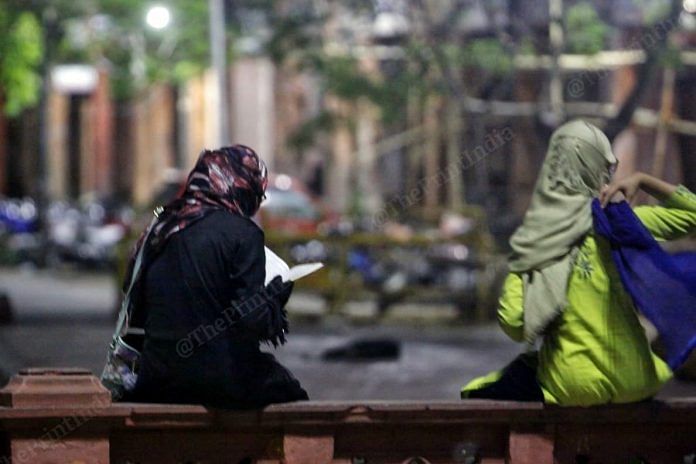
The Quran has 6,236 verses. Muslims can read down those that no longer apply in a modern world.
Absolutely frivolous”, that’s how the Supreme Court termed Waseem Rizvi’s petition to remove 26 verses of the Quran. While dismissing the petition, the Court also imposed a fine of Rs 50,000 on the petitioner. Rizvi had alleged that these verses promoted enmity and violence against non-Muslims.
Waseem Rizvi should have taken his case to where it belonged — the Islamic scholars, both traditional and modern, not the Supreme Court of India — for a reinterpretation, not deletion of the verses. A review of Islamic theology and shaping of a new mode of religious thinking is long overdue among Muslims.
The Quran needs a new meaning, and a new interpretive classicism, to carry forward the achievements of modernity and enlightenment, not a rehashing of antiquated commentaries.
But Waseem Rizvi has been a man in such hurry for political celebrity as not to pause and draft a legally sustainable and intellectually tenable case. So riddled has been his petition with such elementary mistakes as quoting chapters and verses that don’t even exist in the Quran, and building a case on the basis of pedestrian canards, sectarian stereotypes and motivated gossips that it had been really liberal of the Supreme Court to admit it.
That such a petition could be admitted has been a cause of consternation since the Supreme Court adjudicates matters pertaining to the Constitution, not scriptures. If one were to draw on Stephan Jay Gould’s schema of science and religion as Non-Overlapping Magisteria, the Constitution and the Quran — one being a rational human document and another a result of mystical inspiration — exist in their separate domains without impinging on the other.
The Print for more