
by JENNIFER SARRETT
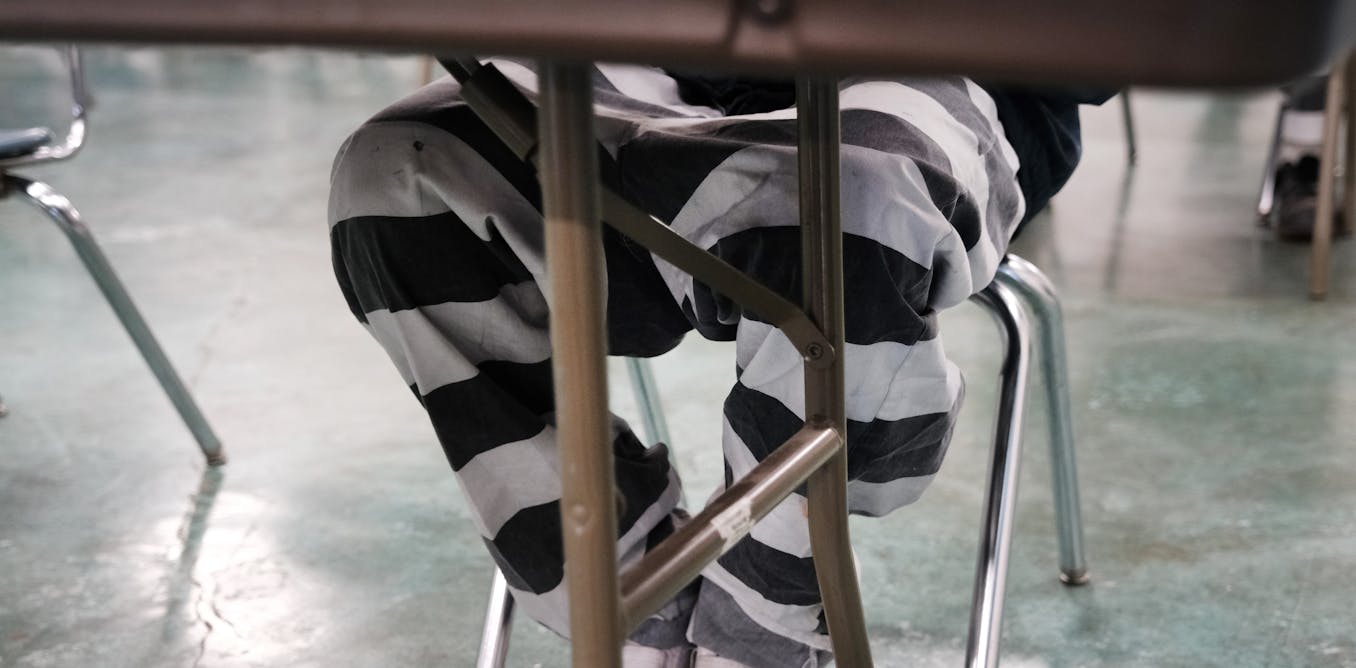
Prison life in the U.S. is tough. But when you have an intellectual, developmental or cognitive disability – as hundreds of thousands of Americans behind bars do – it can make you especially vulnerable.
In March, the Bureau of Justice Statistics, the federal agency tasked with gathering data on crime and the criminal justice system, published a report that found roughly two in five – 38% – of the 24,848 incarcerated people they surveyed across 364 prisons reported a disability of some sort. Across the entire incarcerated population, that translates to some 760,000 people with disabilities living behind bars.
Around a quarter of those surveyed reported having a cognitive disability, such as difficulty remembering or making decisions. A similar proportion reported at some point being told they had attention deficit disorder, and 14% were told they had a learning disability.
As a scholar who has researched disability in prison and conducted in-depth interviews with several adults with intellectual and developmental disabilities in the criminal justice system, I’m all too aware of the problems that incarcerated people with disabilities face. Prisoners with these disabilities are at greater risk of serving longer, harder sentences and being exploited and abused by prison staff or other incarcerated people.
Conversation for more