
by AYA DARDARI
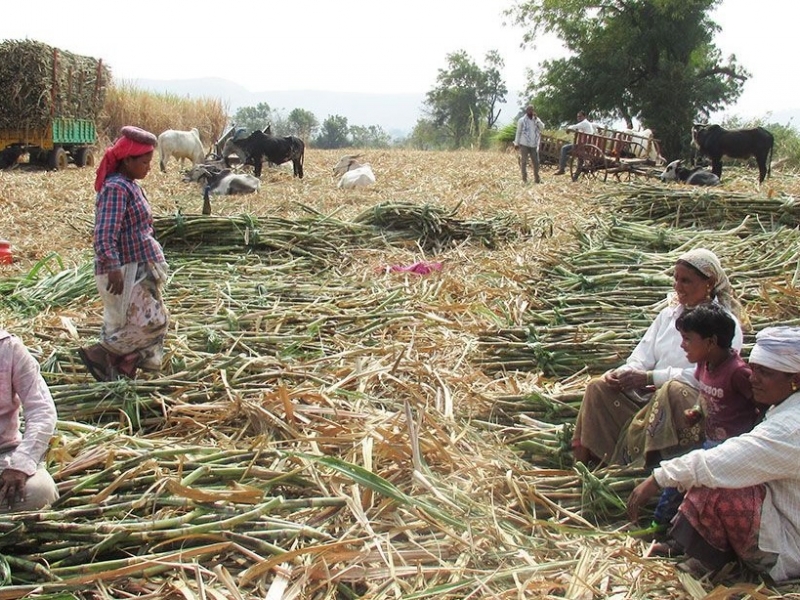
IMAGE/ Parth M.N., Used under Creative Commons license.
PepsiCo refused to allow a shareholder resolution requesting the company look into allegations that it is buying sugar from female farm workers in Maharashtra, India, who are coerced into undergoing hysterectomies. The resolution was filed following an exposé by the Fuller Project and the New York Times.
BNP Paribas Asset Management and Mercy Investment Services, among others, filed the shareholder resolution in November 2024, asking PepsiCo to detail the “effectiveness of PepsiCo’s efforts to uphold its human rights standards throughout its sugar supply chain in India.” Had the company accepted the resolution, it would have been discussed at its annual general meeting on May 7th, 2025.
However, in February 2025, the company asked
the U.S. Securities and Exchange Commission (SEC) to allow it to reject
the resolution on the grounds that the request related to operations
valued at under five percent of its assets, net earnings, and gross
sales under a 2025 rule change that allows companies to request
permission from the SEC to take “no action” on resolutions that are not
“significantly related” to the company’s business.
Despite the
rejection of the shareholder resolution, the company has not denied
multiple in-depth reports from Indian newspapers and reputable
non-profit organizations like Oxfam that
sugar produced by workers in Maharashtra is indeed used to sweeten
beverages made by international food conglomerates like PepsiCo as well
as products made by Coca-Cola, Mondel?z, Nestlé and Unilever.
Pepsi
products in India are made exclusively by Varun Beverages, based in
Haryana, which operates bottling plants across India, including in Maharashtra—one of the largest producers of sugar in the country.
The core of the human rights abuses borne by the workers (who are mostly migrants from middle, lower and lowest castes) in Maharashtra lies in the district of Beed, a poor rural region.
Every autumn before the harvest begins, sugar mill owners pay private local contractors known as mukadam (the word means labor foreman) to Beed to recruit workers. Over 1.5 million migrants—men, women and children—travel from one field to the next during the cutting season that spans October to March in search of job opportunities.
These workers often have to live in tents by the fields and the sugar mills because the cane has to be transported to the mill as soon as it is cut, otherwise it loses value. The women wake up as early as four in the morning every day to draw and carry water, build a fire, boil tea, cook lentils and vegetables for their meals and wash clothes in a basin, before beginning work shifts that sometimes last until midnight. Once the sugar has been harvested from a field, the workers move to the next location, hauling their belongings with them.
To cut costs, mill contractors take advantage of an informal system of married couples working together called koyta that is unique to the region. (The word koyta is derived from the Marathi word for a sickle used to cut sugarcane.) The couples are given an advance for the season—sometimes as much as 150,000 rupees (US$1,800) per couple—instead of proper wages, in exchange for delivering a set weight of cane for the season. (This works out to approximately US$5 a day per worker per day, but often less.)
The cash-up-front is a huge incentive for parents to press girls as young as 12 to enter into illegal child marriages (the legal age of marriage is 18 for women). Weddings are sometimes conducted at the sugar mill gates so that children can be put to work immediately.
Corpwatch for more