
by SPENCER KWABENA ANNOR-AMPOFO
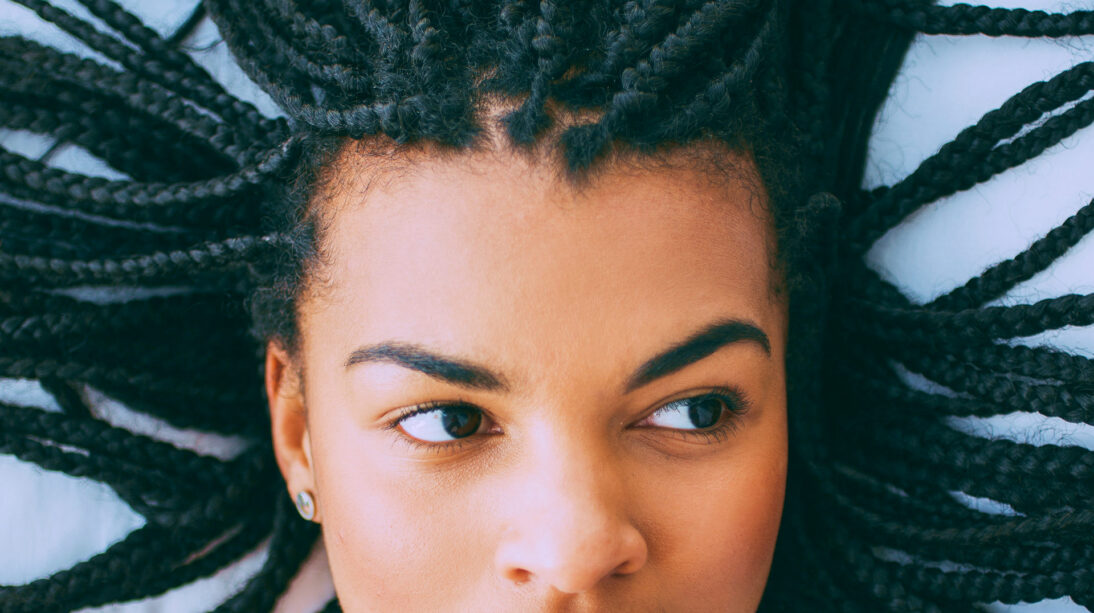
Dermatologists lack the cultural knowledge to treat alopecia, or hair loss, in Black and African patients.
Alopecia, or hair loss, has many underlying causes and affects millions of people in the U.S. and around the world. Dermatologists have the right medical training to treat the myriad types of hair loss, but the field, and the medical community at large, have failed to address the specific needs of Black and African people. For Black people, hair loss is more than just a medical condition — it’s a deeply personal and cultural issue.
Black and African people are underrepresented in dermatological research, especially in alopecia studies. This research gap creates a lack of understanding of the condition among doctors and the lack of cultural connection or knowledge needed to diagnose and treat Black and African patients.
To better understand the experience of Black people with alopecia, I conducted surveys asking people their opinions around hair and interviewed 10 people about their experiences with hair loss. The study, part of an undergraduate research project, was small but informative. The surveys showed — to no surprise — the value of hair to Black identities. The interviews revealed that common reasons for hair loss were hair straightening, the use of tight hairstyles, and damaging hair products.
Among the interviewees, only one person had visited a dermatologist, and one other had gone to their primary care doctor for hair loss. The rest of the interviewees said they had sought advice from social media, barbers, family, friends, hairstylists, and braiders. I asked the participants why they did not seek medical or dermatological advice, and some they said that they believed that dermatologists did not understand the unique needs of Black or Afro-textured hair.
Half of the study participants specifically stated that they preferred to seek out advice from a person who looks like them and who also understands the cultural nuances surrounding hair. For medical providers to better serve Black and African patients, dermatologists and health care providers need better representation and to establish a cultural connection with the community.
To shift the blame away from Black hair practices and traditions, it is paramount to include more people of African and Black descent into research studies.
They can do so by learning about the historical and cultural significance of pre-colonial African societies, where hair signified more than aesthetics. In pre-colonial Zulu, Xhosa, Akan, Masai, and Yoruba societies, hair could signify religious spirituality, social status, or community belonging. During colonialism and enslavement, the imposition of White Eurocentric beauty standards encouraged Black and African women not to express their natural hair. As a result, in the 1900s, more Black and African women relaxed and straightened their hair — a practice that comes with a price. Besides causing chemical damage to hair and potentially harming personal health, straightening leads to loss of connection to Black and African culture. Hair signifies a heritage that has thrived in the face of subjugation and racial violence for centuries.
Undark for more