
THE WIRE STAFF
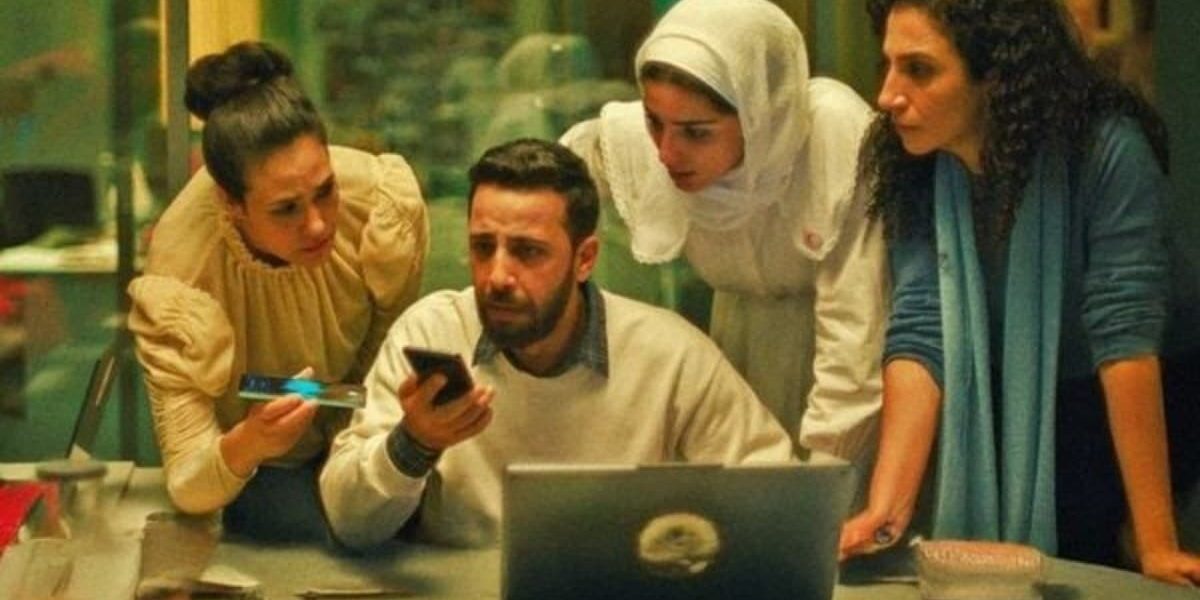
Censorship is a vicious cycle. While Israel may never have concerned itself with film certification in India, Indian authorities showing their willing to censor films in the interest of a foreign nation may change the expectation.
New Delhi: More than 90 filmmakers, journalists, academics and activists from India, Israel and elsewhere have issued a statement condemning the Central Board of Film Certification’s ban on the Oscar-winning documentary The Voice of Hind Rajab in India. This ban, they argue, “continues a worrying pattern of Indian censorship of Palestinian and progressive Israeli voice”.
Signatories include actors Naseeruddin Shah and Ratna Pathak Shah, filmmakers Michal Aviad, Payal Kapadia, Ilan Ziv and Anant Patwardhan, and academics Akeel Bilgrami, Lynne Segal and J.P. Loo.
The full statement is reproduced below.
Banning The Voice of Hind Rajab threatens freedom of expression in India and Israel.
We are, variously, Israelis, Indians, filmmakers, journalists, academics and activists. We write in support of pluralism, democracy and freedom of expression in India and in Israel—for both Jews and Palestinians. And we condemn the Central Board of Film Certification’s invocation of Indo-Israeli relations to justify its banning of The Voice of Hind Rajab.
The ban continues a worrying pattern of Indian censorship of Palestinian and progressive Israeli voices. In January, Einat Weizman and an Israeli theatre troupe were denied visas for the International Theatre Festival of Kerala. And in December last year, the Union government censored pro-Palestinian films at the International Film Festival of Kerala, including All that’s left of you and Once upon a time in Gaza. We wish to make three points about the implications of the ban for freedom of expression, not only in India but also in Israel.
The Wire for more