
by NORBERT SUCHANEK
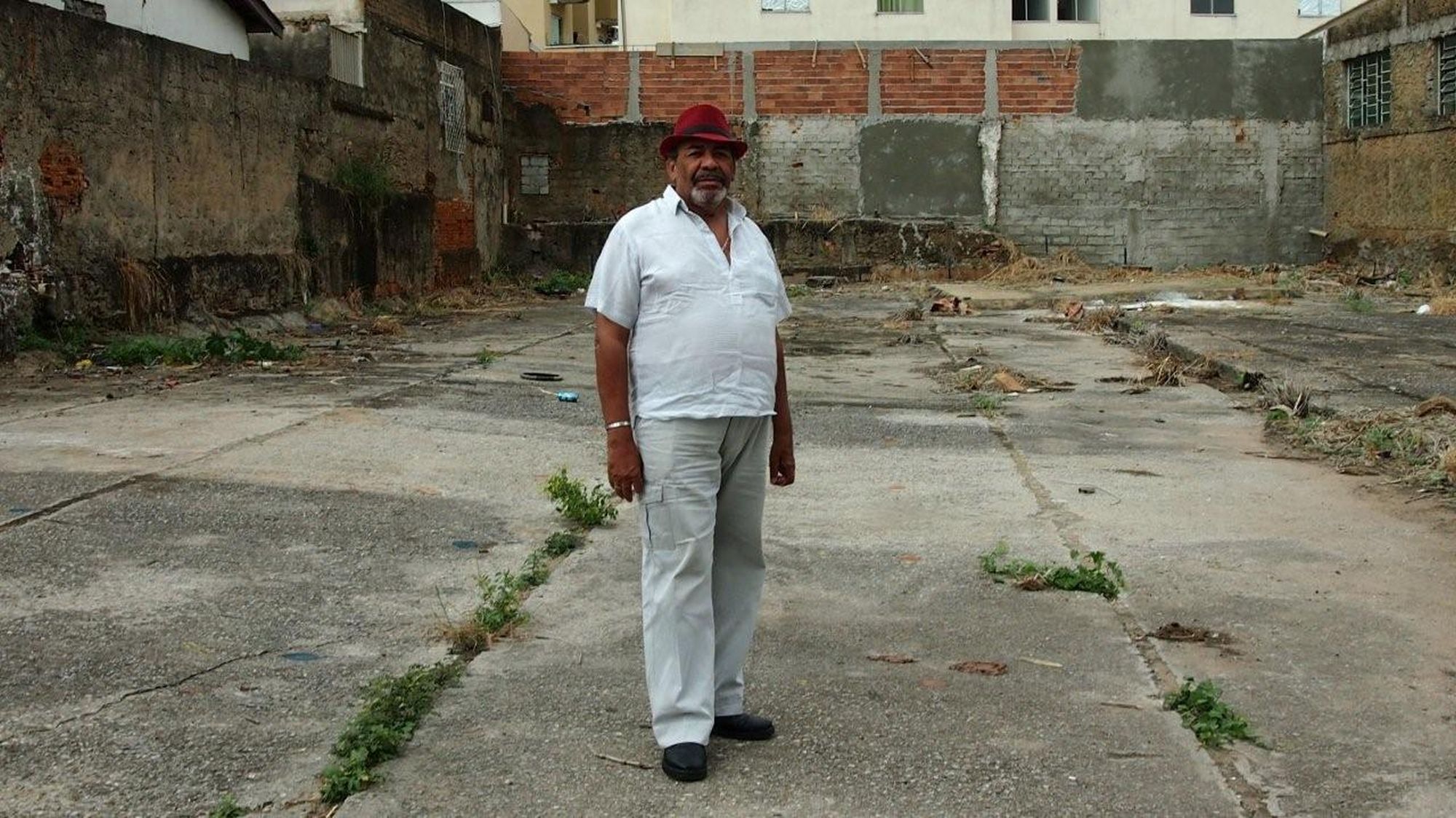
In 2017, Odesson Alves Ferreira, a survivor of the 1987 Goiânia nuclear disaster in central Brazil, received the Lifetime Achievement Award of the International Uranium Film Festival. Odesson himself was severely contaminated by the highly radioactive cesium-137 and lives with the consequences.
For over 30 years, he has campaigned for the recognition and fair compensation of the hundreds of cesium victims and for ensuring that this radioactive disaster in Goiânia is never forgotten and never repeated. Now he is strongly criticizing the new Netflix miniseries “Radioactive Emergency”.
Netflix series “Radioactive Emergency” distorts facts
In September 1987, the worst nuclear disaster in Latin American history occurred in the central Brazilian city of Goiânia. A scrap metal dealer unknowingly released highly radioactive cesium-137 from an abandoned cancer treatment device, contaminating parts of the city and hundreds of people.
Now, in March Netflix has released the miniseries “Radioactive Emergency,” based on this nuclear disaster and claiming to be inspired by true events. However, cesium-137-survivors dispute this. They argue that the Netflix series distorts the facts and ignores the victims.
“The distortion of historical facts is not only a narrative error, but in my view, also a profound disrespect to the memory of the victims and to us survivors,” criticizes Odesson Alves Ferreira, brother of scrap metal dealer Devair Alves Ferreira, who in 1987 bought the lead-encased radioactive head from two young waste pickers without even suspecting that it contained radioactive material.
In his statement to the Brazilian news portal Metrópoles regarding “Radioactive Emergency,” Odesson says: “By distorting the tragic historical facts for the sake of expediency, to make the plot more scientific and commercial, Netflix committed a crime against the truth. The true story we experienced doesn’t need sensational embellishments; it was tragic enough in itself.”
According to the 71-year-old, the streaming service “turns the victims of an irresponsible system into perpetrators and trivializes the tragedy. The memory of Brazil’s worst radioactive tragedy must be protected. We will not simply accept history being rewritten for convenience, because those who ignore the past are doomed to repeat its mistakes.”
The former president of the Association of Cesium Victims (AVCésio) also criticizes that the Netflix film crew did not consult those actually affected beforehand.
According to the association, which represents more than 1,000 victims of the Goiânia radioactive disaster, its members were neither consulted on the script nor asked to share their experiences.
“We were not consulted during the production of the series based on our story. Filming didn’t even take place in Goiânia, but in São Paulo. How can you make a series about this story and not let those who experienced it firsthand have their say?” Metropóles quotes the association’s current president, Marcelo Santos Neves.
He says, the film crew only contacted the former president, Suely Lina Moraes Silva, once. She reports that she accompanied a small group from the production team on a visit to the contaminated areas in Goiânia. After that, however, there were no further discussions with the team.
Brazzil for more