
by JENNA NOROSKY
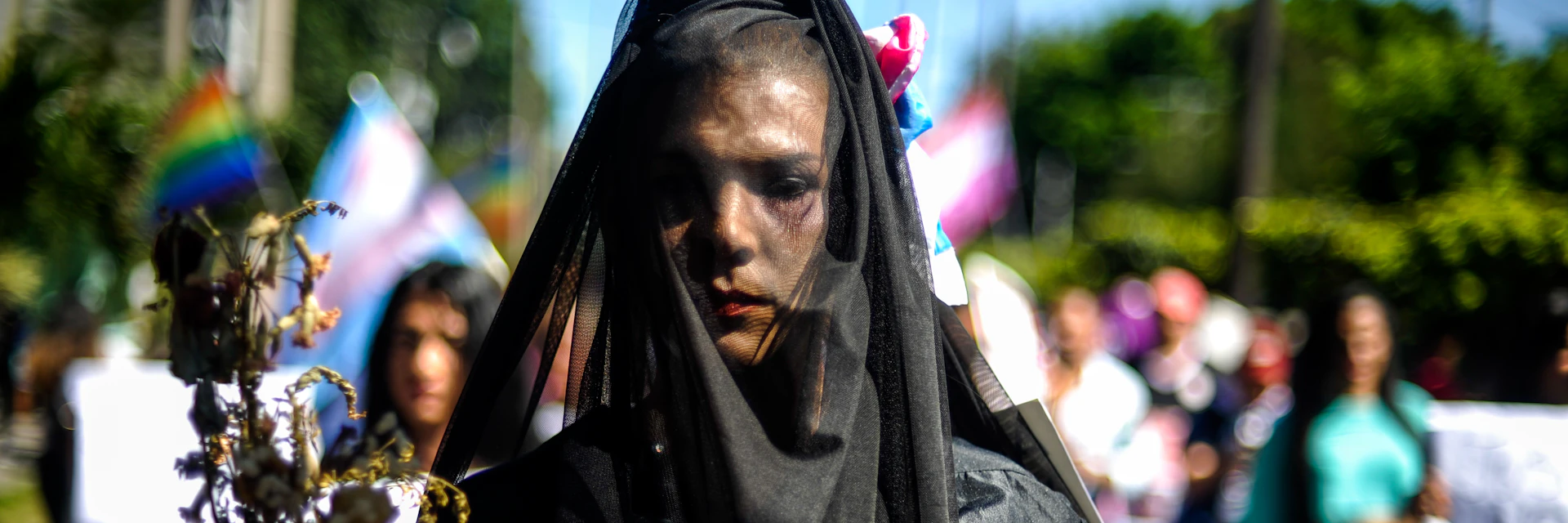
Aided by the Trump administration, debate over gender identity has gone from being a touchstone of domestic culture wars to infiltrating the work of international groups – including those designed to protect vulnerable communities.
In March 2026, at the 70th session of the U.N. Commission on the Status of Women, a U.S. delegate submitted a draft resolution to define gender in alignment with what the representative described as “its ordinary, generally accepted usage, as referring to men and women.”
While this may seem like a relatively benign or procedural intervention, the proposed resolution invited significant blowback from other delegates. Sweden’s representative framed it as an attempt “to turn back the clock 30 to 40 years.” The resolution ultimately failed after being blocked from going to a vote by Belgium, on behalf of the EU.
As an expert on gender, sexuality and conflict, I see the latest dispute over terminology at a key U.N. conference as reflecting a wider fight among the international community that has rumbled on for months. I believe that contest, moreover, threatens to undermine critical work to serve survivors of violence across the world.
Shifting approaches to gender
In recent years, some international organizations, nongovernmental organizations and countries have moved to understand gender beyond equating it with biological sex.
This had included expanding its meaning within the peace and security sector.
The U.N. Refugee Agency, for example, now follows an “age, gender and diversity” policy that defines gender as “socially constructed roles for women and men, which are often central to the way people define themselves and are defined by others.” In other words, trans women are women, and trans men are men.
The International Criminal Court takes a similar stance in its approach to gender-based crimes.
Both bodies contend that this gender lens is important for understanding the full scope of experiences and vulnerabilities not just of women and girls, but also LGBTQ+ individuals and men and boys during conflict.
While heavily contested by some nations, this approach departs from a previous implicit assumption that only women are targeted for sexual violence in conflict – and that these women are all cisgender.
Gender identity and violence
Despite the normalization of more inclusive approaches to gender, the pushback has recently gained a lot of traction, aided in part by the reversal of the U.S. from its previous stance under the Biden administration.
Only two months into the Trump administration, the U.S. pulled out of a working group of nations on LGBTQ+ concerns. Then, in January 2026, it withdrew from a slew of international bodies it claimed were “often dominated by progressive ideology and detached from national interests,” including U.N. Women. Most recently, the administration has called on FIFA, soccer’s international governing body, to change its policy on trans athletes.
It isn’t just the U.S. contesting inclusive language, however. In June 2025, the U.N. special rapporteur on violence against women and girls, Reem Alsalem, published a report suggesting that gender-neutral language and the recognition of gender identity in policy erases the category of what it refers to as “sex-based discrimination” against women and girls.
The Conversation for more