
by CHRIS HEDGES
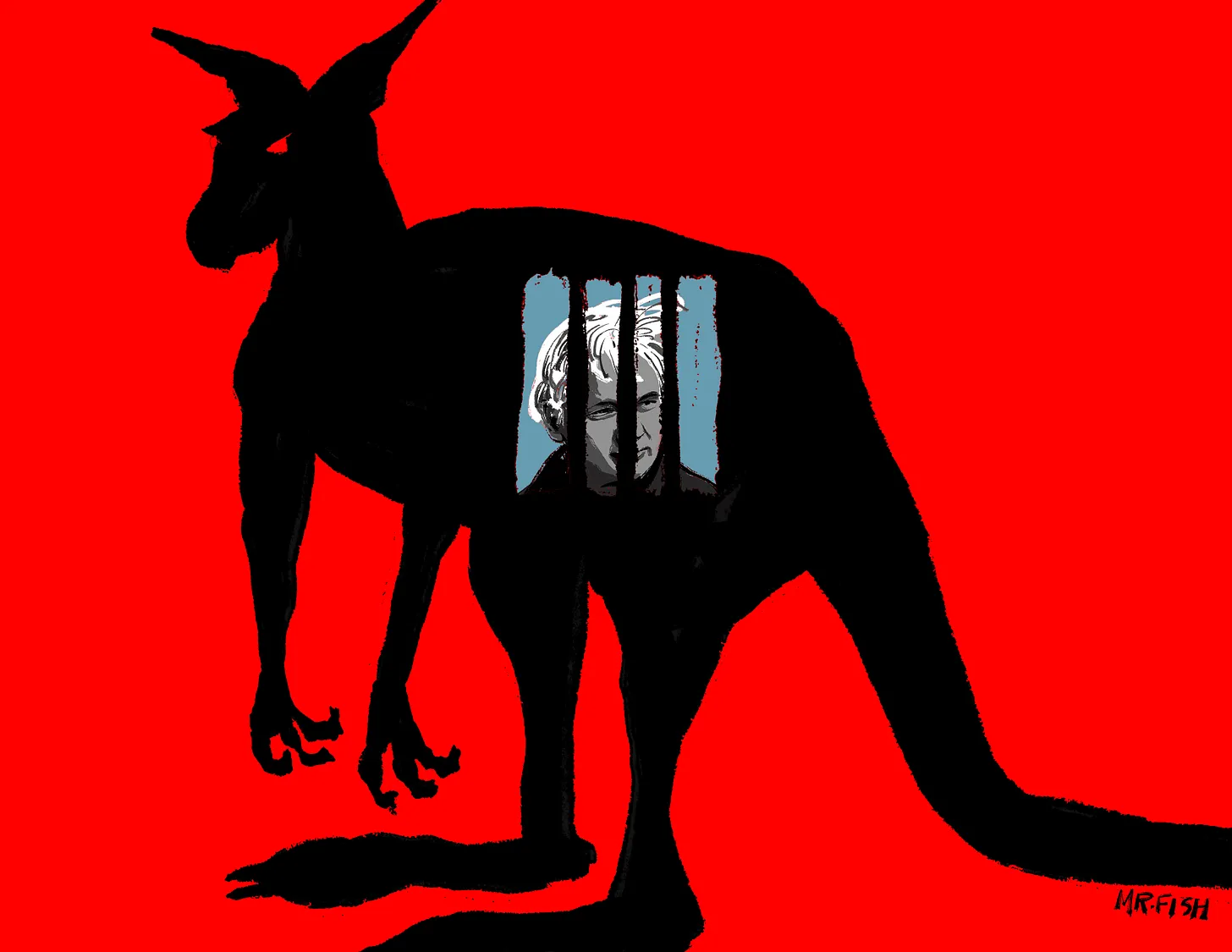
The prosecution lawyers in the High Court seeking to ensure Julian’s extradition to the U.S. rely almost exclusively on the judicial opinions of Gordon Kromberg, a highly controversial U.S. attorney.
LONDON —The prosecution for the U.S., which is seeking to deny Julian Assange’s appeal of an extradition order, begun by the Trump administration and embraced by the Biden administration, grounded its arguments on Wednesday in the dubious affidavits filed by a U.S. federal prosecutor in the Eastern District of Virginia, Gordon Kromberg.
The charges articulated by Kromberg — often false — to make the case for extradition did not fly with the two High Court judges, Jeremy Johnson and Dame Victoria Sharp, who are overseeing Julian’s final appeal in the British courts.
The prosecuting attorneys, under questioning from the judges, were knocked off balance when challenged about the veracity of several of the claims which Kromberg made in support of the indictment against Julian. This was especially the case when the attorneys argued that the classified documents Julian released in 2010 — known as the Iraq and Afghan war logs — were not redacted. These unredacted documents, they told the court, jeopardized the lives of those named in the documents and caused some to “disappear.”
As defense lawyers Edward Fitzgerald KC and Mark Summers KC made clear, and the judges seemed to acknowledge, the documents were indeed redacted by Julian as he worked with media partners, such as The Guardian and The New York Times, when WikiLeaks published classified military documents concerning the Afghanistan and Iraq wars, along with U.S. State Department cables. The unredacted versions were first published by the website Cryptome after two reporters from The Guardian published a book with the passcode to the documents, leading to their publication by other online organizations.
Julian contacted the US government, as Summers told the court, and spoke to them at length, in an attempt to prevent the unredacted cables from being published. In the end, the U.S. State Department chose not to act. U.S. officials have sheepishly admitted they have no evidence of anyone named in the documents being harmed. Other allegations — such as that Julian tried to help Chelsea Manning, who leaked the documents, decode a password hash to access documents or protect her identity, or that he sought to conspire with computer hackers — have also been debunked.
Chris Hedges for more