
by ADRIENNE MATEI
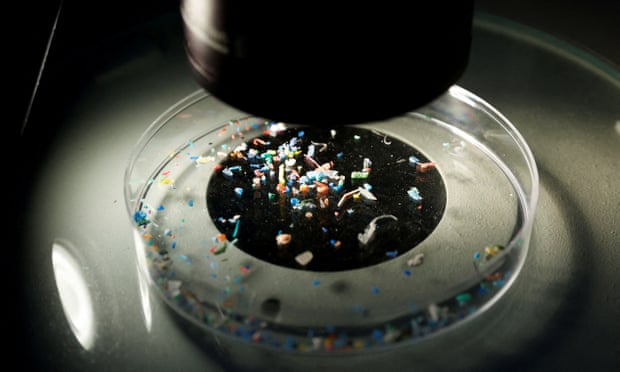
The particles could be linked to cognitive impairment and neurodegenerative diseases such as Alzheimer’s or Parkinson’s
Researchers at the University of Vienna have discovered particles of plastic in mice’s brains just two hours after the mice ingested drinking water containing plastic.
Once in the brain, “Plastic particles could increase the risk of inflammation, neurological disorders or even neurodegenerative diseases such as Alzheimer’s or Parkinson’s,” Lukas Kenner, one of the researchers, said in a statement, although more research is needed to determine the relationship between plastics and these brain disorders. In addition to potentially severe degenerative consequences, the researchers also believe that microplastic contamination in our brains can cause short-term health effects such as cognitive impairment, neurotoxicity and altered neurotransmitter levels, which can contribute to behavioral changes.
In the course of their research, the team gave mice water laced with particles of polystyrene – a type of plastic that’s common in food packaging such as yoghurt cups and Styrofoam takeout containers.
Using computer models to track the dispersion of the plastics, researchers found that nanoplastic particles – which are under 0.001 millimeters and invisible to the naked eye – were able to travel into the mice’s brains via a previously unknown biological “transport mechanism”. Essentially, these tiny plastics are absorbed into cholesterol molecules on the brain membrane surface. Thus stowed away in their little lipid packages, they cross the blood-brain barrier – a wall of blood vessels and tissue that functions to protect the brain from toxins and other harmful substances.
While the Vienna study focused on the effects of plastics consumed in drinking water, that’s not the only way humans ingest plastic. A 2022 Chinese study concentrated on how nasally inhaled plastics affect the brain, with researchers reporting “an obvious neurotoxicity of the nanoplastics could be observed”. In basic terms, the inhaled plastics lead to reduced functioning of certain brain enzymes that also malfunction in the brains of patients with Parkinson’s disease and Alzheimer’s.
Of course, we eat plastic, too, and new research on plastics and brain health is emerging alongside breaking studies on how the contaminants affect our gastrointestinal health. Much like the blood-brain barrier, the gastrointestinal barrier is also vulnerable to interference by nanoplastics – which can cause inflammatory and immune reactions in the gut, as well as cell death.
The Guardian for more