
by ROEMARY PREVEC
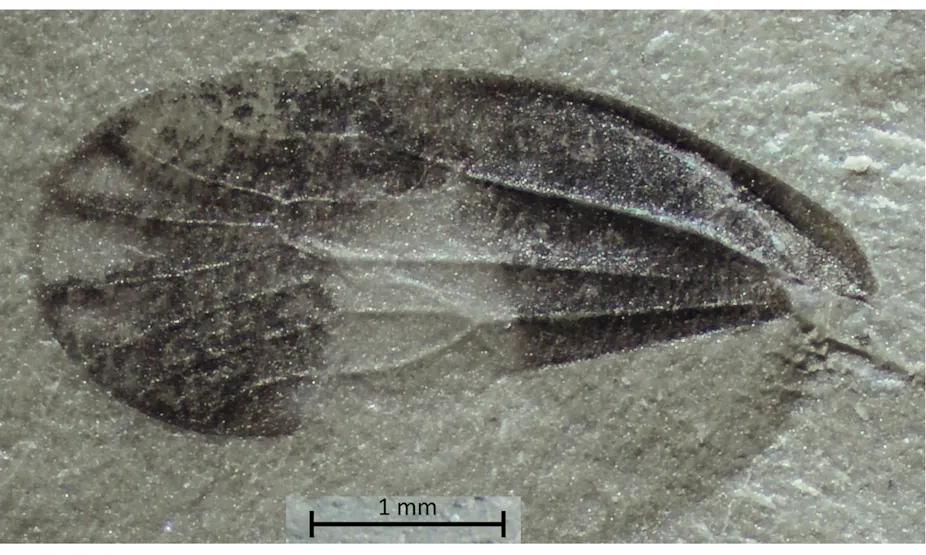
South Africa is famous for its amazingly rich and diverse fossil record. The country’s rocks document more than 3.5 billion years of life on Earth: ancient forms of bacterial life, the emergence of life onto land, the evolution of seed-producing plants, reptiles, dinosaurs and mammals – and humanity.
Many will be familiar with hominid fossils such as the Australopithecus africanus skull Mrs (or is it Mr?) Ples and the paradigm-shifting Taung child. Less well known and equally important fossils such as the oldest terrestrial vertebrates in the ancient supercontinent Gondwana, which document the first steps from the ocean and onto land, have also emerged from South Africa. The country’s wealth of fossils is due in part to the region’s unique geology, which documents 100 million years of nearly continuous deposition in its Karoo Basin.
Fossils also hold clues to climatic shifts, from the great Carboniferous ice age over 300 million years ago, to the huge dunes of blazing Jurassic deserts where dinosaurs roamed 200 million years ago. Scientists can read the devastation of the mass extinction events that destroyed global ecosystems and changed the course of Earth’s history.
But in the race to understand the “big picture” of the evolution of life and to distil its dramatic ups and downs into punchy headlines, it is easy to forget the small and quiet things. Pause, and consider what life looked like on an average day, in a world without humans, mammals, birds, butterflies, flowers, or even dinosaurs. What was it like on the shores of a rippling lake, on a drowsy summer afternoon, 266 million years ago in what’s now the Northern Cape province of South Africa?
The Conversation for more