
by JAWED NAQVI
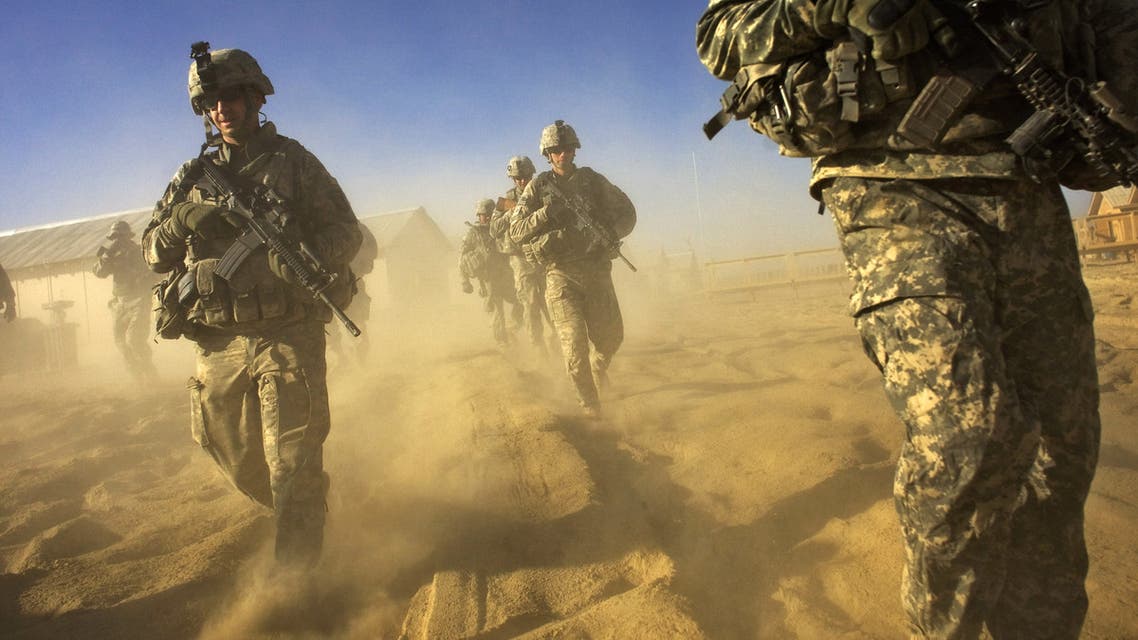
Look at it dispassionately. The world, led by the United States, has agreed to accept the deeply misogynistic Taliban as the next rulers in Afghanistan, reneging on lofty promises made to Afghan womenfolk as well as the country’s ethnic minorities. On what grounds then can one expect a different yardstick from the self-proclaimed guardians of democracies for other countries, for example, India, or even Pakistan?
So many of our friends in Pakistan are struggling for more democratic space than they find under Imran Khan. That’s what their counterparts in India are fighting for, hoping to deny Narendra Modi a third term in 2024 and in the short term to defeat him in key state polls next year. Marvel at the irony the hectoring world throws at us. Pakistan is facing severe financial scrutiny linked to its progress (or failure) with the fumigation of terror groups in the country. The same world has quietly put a world champion of ethnic and religious violence — the Afghan Taliban — in Pakistan’s care.
Such realities are innately offensive and difficult to swallow. In India, when anti-Muslim pogroms were in full cry in Gujarat in 2002 under then chief minister Modi’s watch, did the US utter a word in protest? As far as one can remember ambassador Robert Blackwill, representing George W. Bush, didn’t lift a finger leave alone visit Gujarat to comfort the victims, not that he was sleeping at the wheel. Following a violent incident in Jammu and Kashmir, which the Indian government described as an act of terror, Mr Blackwill was issuing forth his strongest condemnations against terrorism. But he remained scrupulously silent on Gujarat. Some laughably call it pragmatism, but that’s how it works.
Atal Bihari Vajpayee was in the saddle in Delhi, which shielded Mr Modi from deeper international censure. When Manmohan Singh took over from Vajpayee, Modi’s US visa was promptly cancelled followed by other countries, but not China. Pragmatism.
Now, under Modi’s leadership, India is a member of the Quad, supposedly a group of four democracies out to tame authoritarian China. Some even call the group Nato of the Pacific. There’s a larger factor protecting Modi from global disapproval — his two main corporate supporters. The Ambani brothers were exclusive invitees — one each at the Bush and Clinton inaugural. Obama was Modi’s guest twice. China of late invites an opposite approach. The world tried to teach China a trick or two in capitalism and China got itself a PhD in the theory and practice of capitalism. This was not part of the script and there’s global discomfort all round.
Barring China and Russia, the two countries contrived to remain in adversarial stand-off with the world, for a variety of reasons, every other non-democratic system is kosher provided it keeps faith with the free market. During the Cold War the tussle was projected as a contest between democracies and authoritarianism, the predatory nature of capitalism neatly masked. Soon after the fall of the Soviet Union, the preferred term was deftly changed to ‘free market democracies’.
If, God forbid, one has to choose between the two, free markets would override democracy hands down. An illustration was right there. Donald Trump’s indulgence of the killing of a Saudi dissenter was a crude example of an otherwise concealed nexus between rogue wealth and lawless plunder that drives world economies. The system has its unconscionable rules. Afghan Taliban are agreeable, but the Mynamar military is not. There wasn’t a whiff of democracy in Hong Kong under British rule; after its 1997 handover to China the terms of endearment changed.
Dawn for more