
by KHATONDI SOITA WEPUKHULU
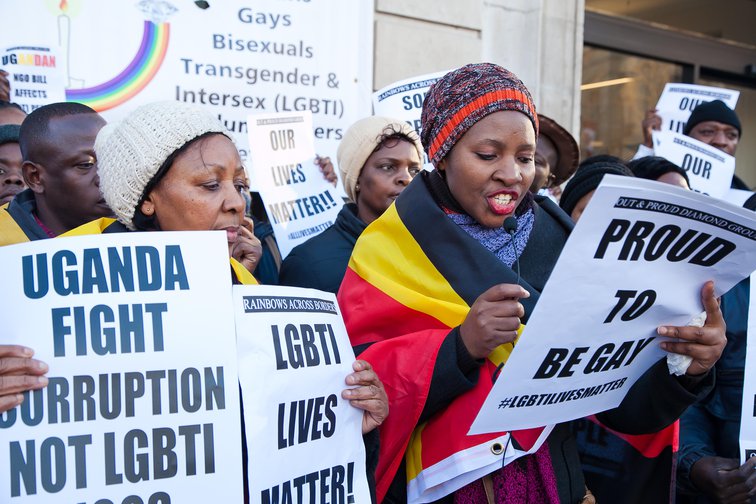
This week, Uganda passed a “sexual offences” law that entrenches the colonial-era prohibition of same-sex relations and sex work, criminalises “false rape allegations” and threatens ‘revenge porn’ victims with prison sentences.
These reforms divided Uganda’s human rights movement from the start, and even had some support from women’s groups. The passage of the new law shows how ‘proper woman’ politics won over feminist solidarity – and what needs to change to reverse this damaging trend.
A sexual offences bill was first tabled in 2015 by Monicah Amoding, an MP who was elected to parliament to represent women as a special interest group, and had the support of the Uganda Women Parliamentary Association and UN Women. Supporters of the bill from within Uganda’s women’s movement argued that it was “gender-sensitive” and would bring progressive new protections into Ugandan law.
For instance, a draft clause sought to widen the definition of rape to include the withdrawal of consent during sex. The bill also aimed to consolidate all sexual offences into a single piece of legislation.
Feminist critics, however, argued that these measures were not an acceptable trade-off for the bill’s hostility to LGBTQI people, sex workers and victims of ‘revenge porn’ abuse.
If a ‘sexual offences’ bill fails to secure the meaning of consent, what’s the point of it?
In the end, the compromise came to nothing. When the law was passed on Monday, male MPs fought successfully to drop the clause on the withdrawal of consent, while retaining the homophobic, anti-sex worker and victim-blaming provisions.
Indeed, the new law tightens the ban on same-sex relations. The existing prohibition did not explicitly ban homosexuality; it depended on same-sex relations being interpreted as acts that are “contrary to the order of nature”. The new definition is specific: it is “a ban on a sexual act between persons of the same gender”.
Divided we fall
The women parliamentarians who championed the new bill might have been hoping that they could empower ‘good’ women by distinguishing them from LGBTQI people and ‘bad girls’ who take sexy pictures of themselves. But they were in for a surprise – they came up against the same opposition that these other groups face.
Open Democracy for more