
by CATHERINE M. CAMERON
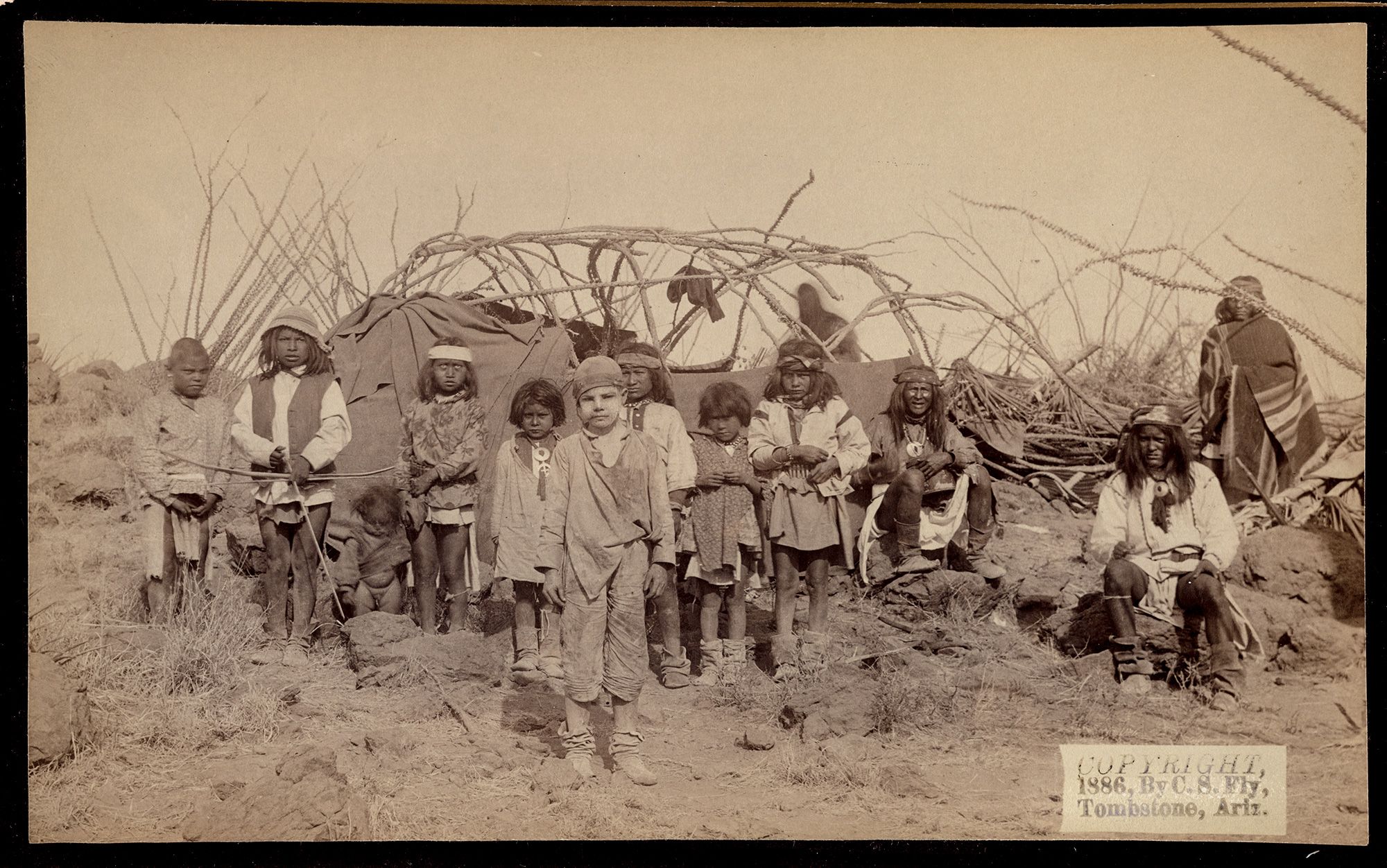
Even when enslaved or despised, captives brought novel ideas and technologies to the societies of their captors
‘From my beloved homeland they are taking me away …’
– From ‘La Cautiva Marcelina’, a ballad from New Mexico
In the time before the invention of writing, communication was almost always person-to-person: people met with one another to transfer ideas, designs and technologies. It is one of archaeology’s great tasks to understand how this happened. By excavating artefacts, archaeologists can examine the spread of a new pottery design, say, or the flourishing of a particular type of stone tool. Here, archaeologists might refer to ‘diffusion’ among the groups, a vague 19th-century term suggesting that the movement of cultural practices between peoples was an uncomplicated process, like ink moving across blotter paper. But this is far too simplistic.
The fact is that archaeology lacks a well-developed body of theory for understanding how beliefs and technologies spread from one group to another: the grey and monolithic idea of ‘diffusion’ masks what actually happened. Real people had to meet in order to transfer real cultural practices. Who were these people? What was their motivation for travelling to, meeting and interacting with other groups of people? When strangers appeared, why were locals interested in the objects, dress styles, tools or languages they brought with them?
Aeon for more