
by KIRAN KUMBHAR
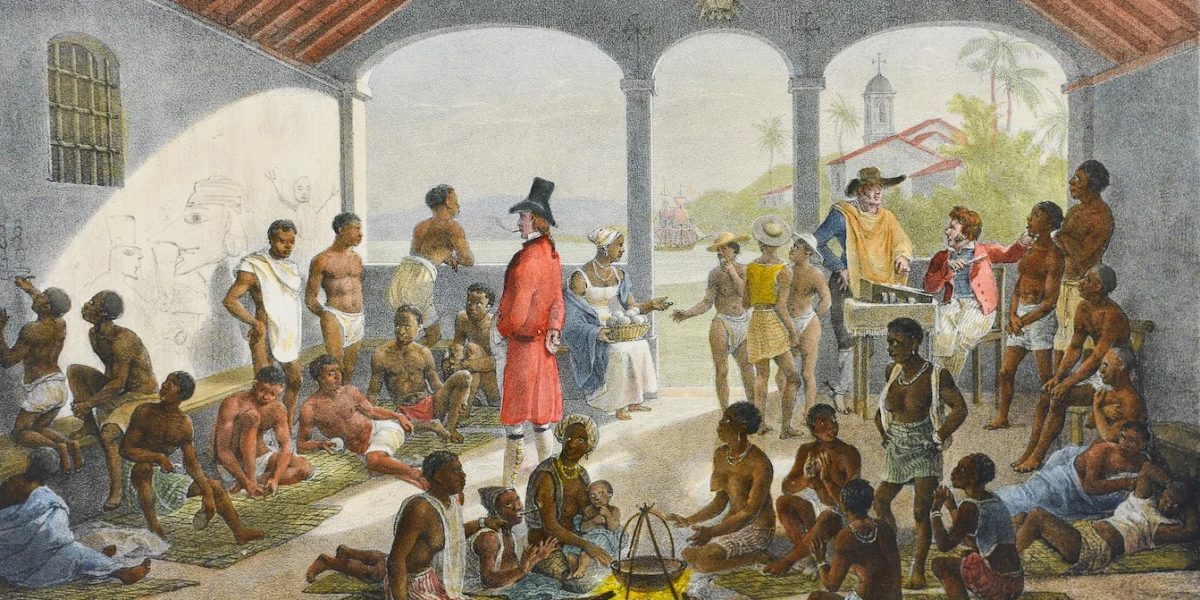
Just as one can’t write a meaningful academic analysis of the metrics and economics of Europe’s Industrial Revolution by skipping foundational concepts and terms like “efficiency” and “productivity”, one also can’t write meaningfully about inequalities during colonialism by invisibilising the phenomena of “exploitation” and “plunder”.
One of the most important skills that historians and other scholars are expected to ace is the careful reading and evaluation of other scholars’ writings, also termed as a “critique”. Ideally, critiques provide much-needed feedback to scholars and help improve their thinking and writing. When disseminated in public forums (as against in academic journals), such critiques additionally introduce the general public to important contributions and limitations of scholars and their writing. Of course, a critique is never the last word and is only one among many perspectives, so it must always be taken with a pinch of salt.

What follows now is a critique of an excellent study titled “Unequal Exchange and North-South Relations: Evidence from Global Trade Flows and the World Balance of Payments 1800-2025”, published last year. When the Europe-based economist and co-author Thomas Piketty announced the release of this paper, he wrote that “colonial extraction and unequal exchange have shaped two centuries of North-South inequality”. On social media, some people were quick to point out that this was already a well-known historical reality. In the paper, Piketty and lead author Gastón Nievas acknowledge that “while some of these facts are relatively well-known at a general level, the main novelty is that we are able to offer a systematic quantitative study”.
The Wire for more