
by NASRATULLAH TABAN
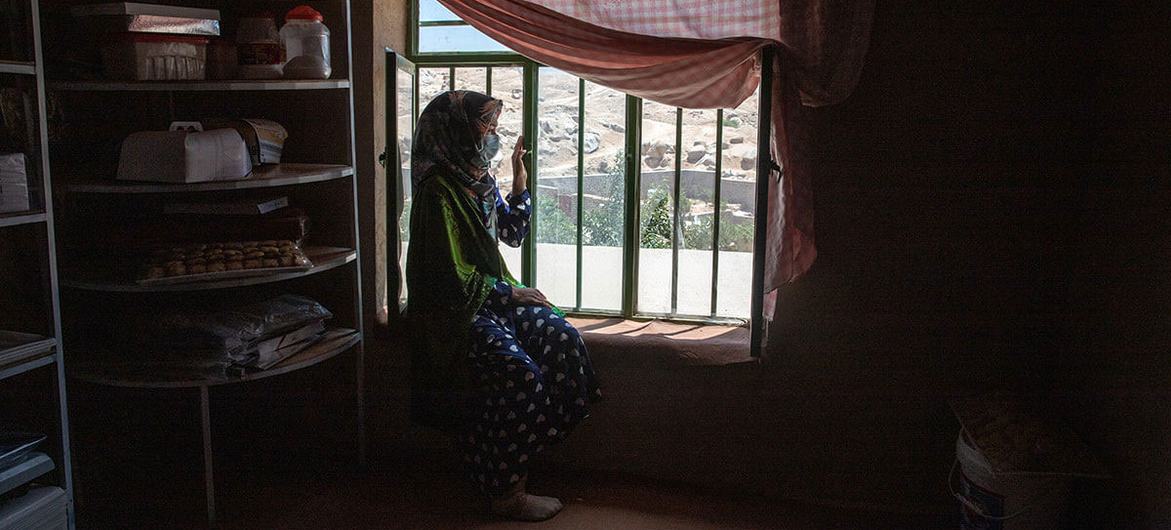
Four years after the Taliban returned to power, Afghanistan is experiencing what many call a “great muting.” This is not just the result of war or economic problems, but a deliberate effort by the Taliban to erase voices. In communication theory, a group is considered “muted” when those in power control the main ways people can express themselves, such as language, law, and media. This leaves marginalized groups unable to share their experiences in a way others can understand.
For Afghan journalists, women, and ethnic minorities, this is not just a theory; it is a daily reality enforced by the Taliban. The streets are quiet, not because there is peace, but because the Taliban has created a culture of silence where speaking out can cost someone their life.
Afghanistan once had one of the most dynamic media landscapes in South and Central Asia. Hundreds of television channels, radio stations, newspapers, and online platforms reported on politics, corruption, and social issues. Journalists risked their lives to hold the powerful to account. Today, fewer than 50 independent media outlets operate nationwide, down from over 400 in 2021. Human Rights Watch reports that dozens of journalists have been threatened, arbitrarily detained, or beaten in the past year alone. Female reporters, once prominent voices in newsrooms and on air, have largely been forced out. Many journalists report living in constant fear, aware that every article could provoke retaliation. In this climate, truth itself has become dangerous.
Targeting Women and Hazara
Women and girls have suffered the most dramatic and visible losses under Taliban rule. UNESCO estimates that more than 22 million girls are barred from secondary school and university, reversing decades of educational progress. Many will never see the classroom again. Women are prevented from working in most sectors, must travel with male guardians, and are constantly monitored by morality police. Public spaces, workplaces, and recreational areas have effectively been closed to them.
Observers describe watching an entire generation of girls vanish before their eyes. The consequences extend far beyond classrooms. Hospitals operate without female staff, businesses lose vital contributors, and families struggle to survive. In Afghanistan today, half the population is effectively silenced, unable to participate in shaping the society around them.
EurAsia Review for more