
by ANANYA BHATTACHARYA
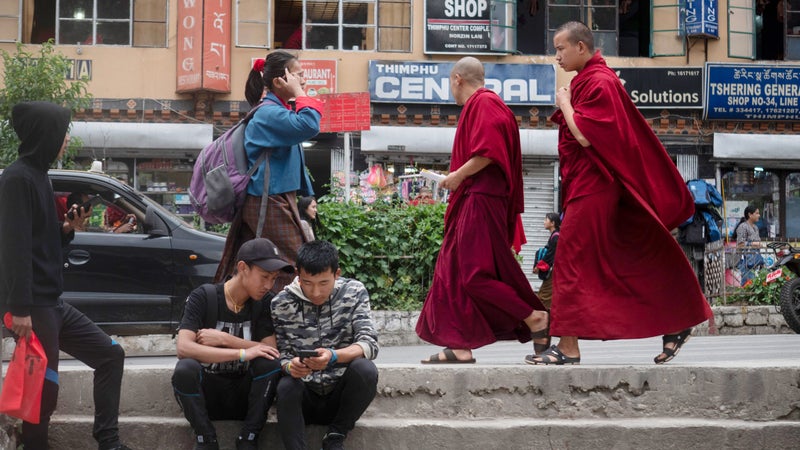
Nearly a year after launching a nationwide crypto payment system for tourists, merchants say hardly anyone is using it — raising questions about who the experiment really serves.
- Bhutan launched a nationwide crypto payment system for tourists in May 2024, allowing payments in 100+ cryptocurrencies via Binance.
- Over 1,000 merchants signed up initially, but actual usage has been minimal nearly a year later.
- Many merchants say no customers have paid in crypto and that tourists often don’t know it’s an option.
Nine months into its big push for cryptocurrency payments, Bhutan isn’t finding many takers for its plans.
Last May, Bhutan became the first country to launch a nationwide crypto payment network for tourists. Visitors to the Himalayan kingdom could pay for their visas, flights, hotels, and meals in more than 100 cryptocurrencies via Binance. Within the first month of its launch, over 1,000 merchants signed up to receive payments in crypto.
Almost a year on, though, nothing much has changed on the ground.
In Thimphu, the QR codes displayed by local businesses to receive crypto payments gather dust. Several merchants have never had any customers opt for them.
“It has been four to five months, but no customer has used it until now,” Sonam Dorji, who works at Lotus Peak Enterprise, a handicraft store on the premises of the Le Meridien hotel, told Rest of World. “No one knows that we accept cryptocurrency and Binance Pay.”
Experts and locals said the government’s push for cryptocurrency is driven by its own massive bitcoin reserves, and doesn’t account for structural hurdles like power shortage and low literacy, which make the transition unlikely.
“Mining bitcoin gives [Bhutan] a currency to purchase imports that it didn’t have before, so I understand why the political establishment in the country wants to go for digital payments,” Jay Zagorsky, a professor at Boston University’s Questrom School of Business, told Rest of World. “However, just because the central bank is pushing Bhutan society toward digital payments does not make it sensible.”
Zagorsky is the author of The Power of Cash: Why Using Paper Money is Good For You and Society. The book argues that preserving physical money is essential to protect individual privacy, curb overspending, and prevent the economic exclusion of the world’s most vulnerable populations.
Rest of world for more