
by RAHUL BEDI
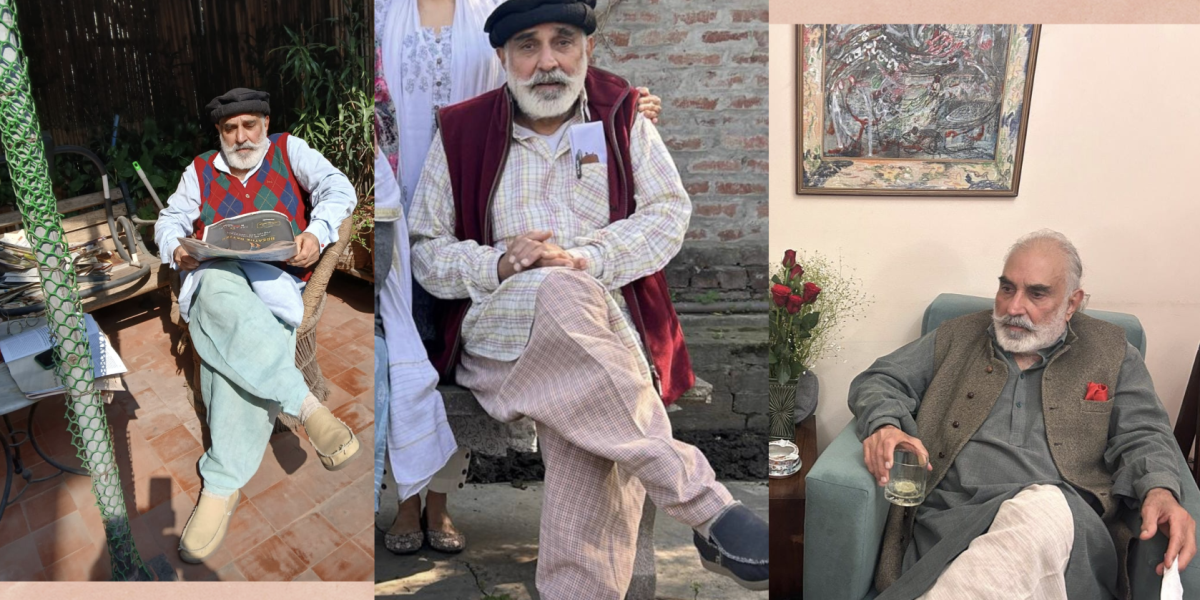
The shalwar-kameez daily reminds me that dress is more than mere clothing – it can also be a passport to generating subtle chaos.
New Delhi: Out of a mixture of comfort, contrariness, and mild theatrical instinct, I abandoned jeans and trousers nearly three decades ago, and began wearing the shalwar-kameez – a choice I have maintained ever since.
Personally, the outfit was not only loose and breathable enough for North Indian summers but also surprisingly warm in winter. It was different, intriguing, and quietly commanding, its many folds exuding panache and offering a sense of ease, casualness and individuality that even the fanciest shirt and trousers could never provide.
However, what I had not anticipated was that this sartorial choice would, quite unintentionally, make me a walking, faintly alarming geopolitical statement – looking vaguely like an Islamic militant to anyone I met, at home or abroad. Widely associated with Pakistan, the shalwar-kameez has, in recent decades, become closely identified globally with the Taliban, for whom the attire evolved into an austere Islamist uniform, where even minor deviations in its mandated form or style could invite punishment.
Consequently, my shalwar-kameez rarely passed unnoticed – on streets, in bazaars, at restaurants, and drawing rooms alike. It drew furtive looks, polite queries, and occasional speculation about where I “really” belonged, as if the garment itself required an explanation of my antecedents.
Adding a pakol – a soft, rolled-up woollen Afghan cap that sits like a baker’s headgear atop the head – in winter completed my flowing ensemble, which, combined with my now grey bushy beard, often triggered a flicker of initial alarm wherever I went. It was also a reminder that clothing, when paired with facial hair and unhelpful global headlines about the Taliban, was capable of acquiring strategic and ideological meaning entirely at variance with the wearer’s true identity.
That same ripple of curiosity – and a faint but palpable unease at first glance – followed me from the streets into New Delhi’s conservative South Block and nearby Sena Bhawan, which I tramped for many years while meeting military officials, including service chiefs, during my stint as a defence reporter for a UK-based military magazine. For the uniformed establishment, my shalwar-kameez, aligned in their minds with Pakistan and Islamic identity, disrupting the visual code of officialdom and ensuring that my clothes announced my arrival well before I spoke or introduced myself.
But the true test of my socially hazardous shalwar-kameez invariably played out in military messes – temples of order where shirts are tucked, ties in place, shoes polished, and even laughter stands at attention when the commanding officer walks in.
Into this majestic world I would frequently wander, often mistakenly invited, fully aware I might be thrown out, but relishing the theatre it triggered each time, in a bid to test military rigidity and inflexibility. On innumerable occasions, the routine played out the same way: within minutes of my arrival, a flurry of attendants would appear, buzzing around amid furious whispers.
The Wire for more