
by EMILY CATANEO
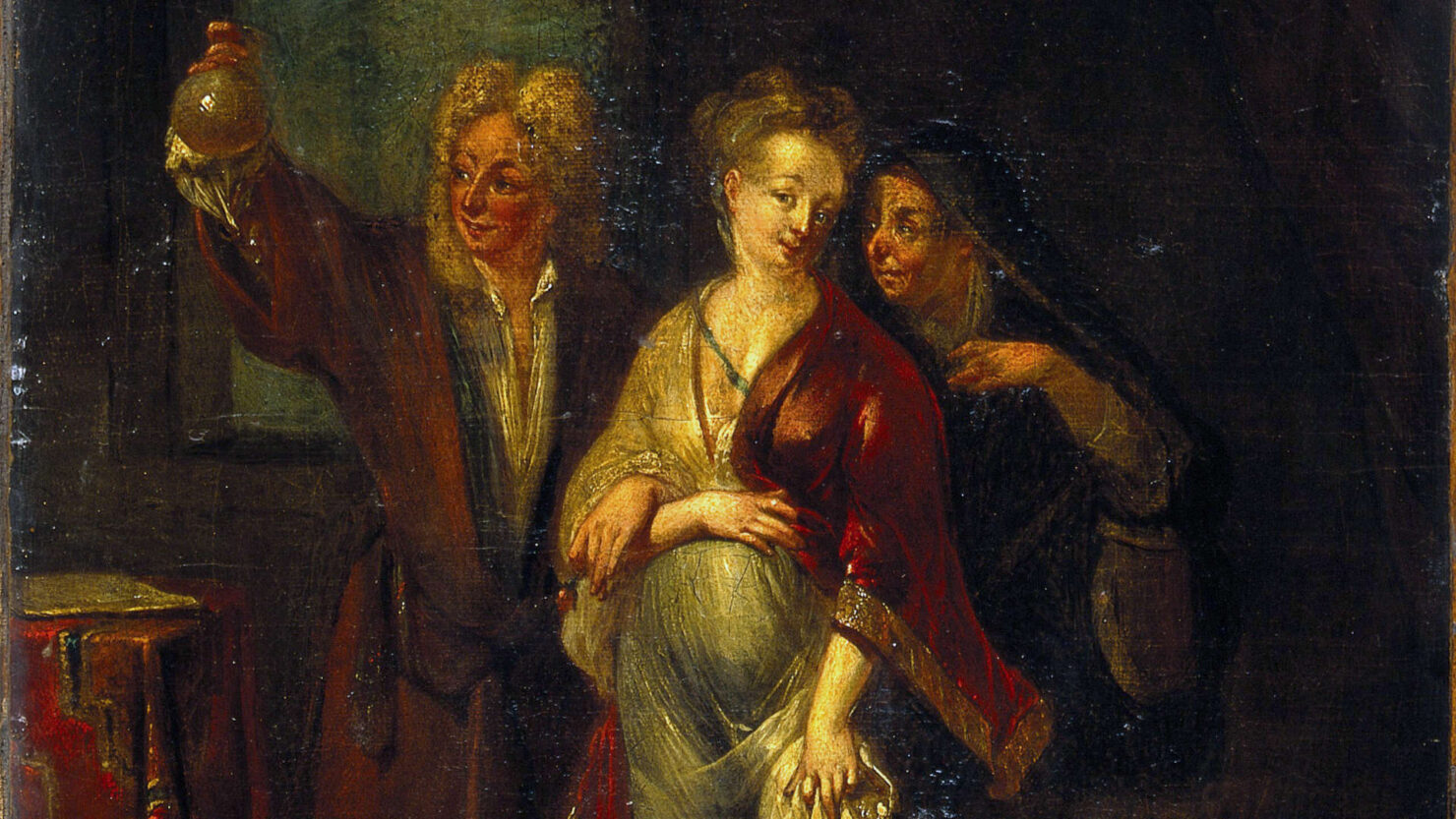
In “Born,” Lucy Inglis reexamines history through the lens of gender roles, medical authority, and bodily autonomy.
In 1545 in the Duchy of Savoy, northwest of what is now Italy, a woman named Isabella della Volpe became pregnant. As she approached full term, Isabella suffered what was then called a brain obstruction — likely a stroke — and died. Her midwife discovered that the baby was still alive, and her attendants pressed the physician to deliver via Cesarean section. But he refused, and by the time a barber-surgeon arrived to cut the baby out, it was too late: The little girl, named Camilla, lived only a few minutes. Amid the horrors, though, there was humanity and compassion: “The women who surrounded Isabella in her final days acted with autonomy and empathy in trying to save her daughter.”
For every Isabella, whose story was recorded in unusual detail, there are billions of other women who’ve experienced the pain, danger, sorrow, love, and communal joy of pregnancy and childbirth. It is this social, medical, and feminist history that historian Lucy Inglis sets out to chronicle in her latest book, “Born: A History of Childbirth.” Inglis started her career blogging and writing about Georgian London, which she followed up with a book about the history of opium. In “Born,” she continues her tradition of examining the sweep of human history through an uncommon lens: the mundane and yet extraordinary process by which human beings are conceived and emerge into the world. Her book joins a recent spate of work, such as Cat Bohannon’s “Eve,” that reexamines human history through an intimate female lens.
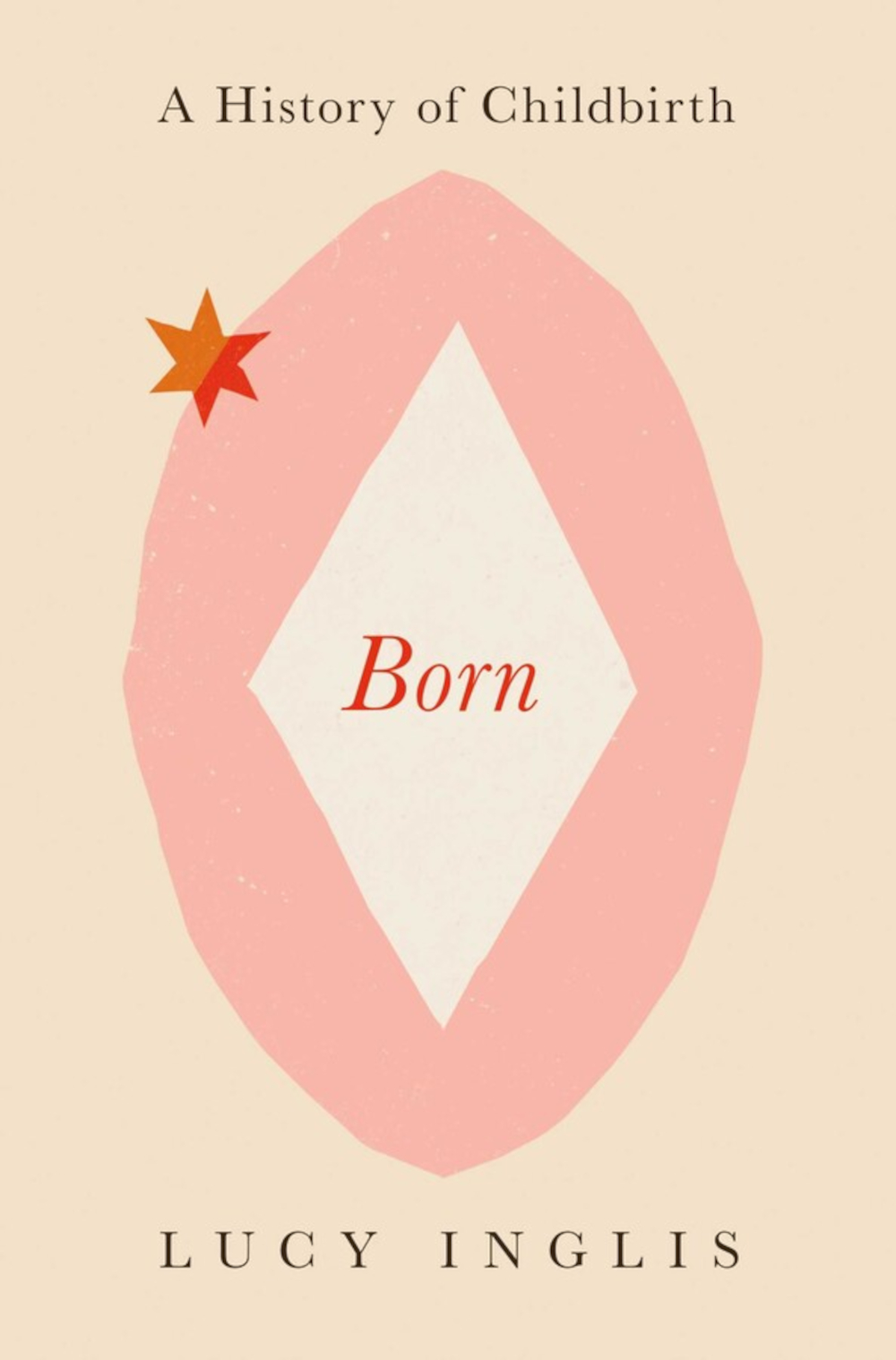
BOOK REVIEW — “Born: A History of Childbirth,’’ by Lucy Inglis (Pegasus Books, 336 pages).
“The story of how we are born is the story of us all, and so we must go back to the start,” writes Inglis, and indeed she means the very start. Her narrative begins during the Upper Paleolithic, tens of thousands of years ago, the era to which archaeologists date our first evidence of the history of childbirth: cave paintings of women giving birth among stags and bears. It continues through other glimmers of information about early humans’ experience of and culture around childbirth, from the ginseng and myrrh prescribed to pregnant women in Mesopotamia to the Venus of Hohle Fels, one of the world’s oldest statues. This Venus is a 2.4-inch figurine that was discovered in Swabia, Germany, which depicts a woman with a distended belly, genitals that “appear more like a wound than a sexual organ,” Inglis observes, and spread legs — quite possibly “a ‘real’ woman postpartum.”
In some respects, Inglis’ book is a history of technological advances. In the course of her narrative, we learn about many firsts. The first recorded pregnancy test dates from ancient Egypt, where women would urinate in a bag of barley and a bag of wheat to determine if they were pregnant with a boy, a girl, or not pregnant at all. The first recorded oral contraceptive dates to Cyrene, a North African Greek city-state, where women took a now-extinct herb called silphion to control their fertility. The first obstetrics manual was written in ancient Rome, and the first speculums and forceps likely hailed from Islamic Spain.
Undark for more