
by RAHIM KURWA
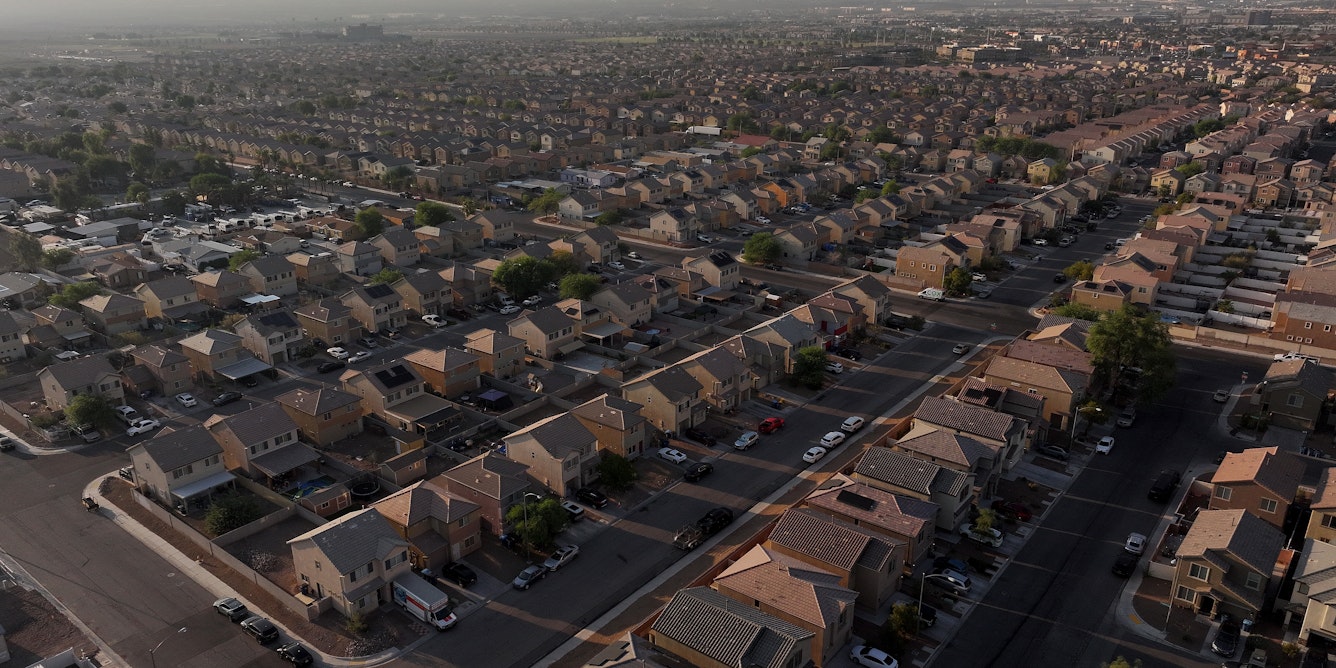
The U.S. housing market has been ensnared in a growing affordability crisis for decades.
The problem has gotten dramatically worse in recent years. Since 2019, home prices are up 60% nationwide. A record-high 22 million renters are “cost-burdened” – spending more than 30% of their income on housing.
Meanwhile, stagnant wages, limited housing supply and lagging federal assistance have helped leave more than 770,000 Americans homeless.
Despite these varied reasons, Vice President JD Vance has blamed the housing affordability crisis on undocumented immigrants. In August 2025, he attributed rising housing costs to immigration: “You cannot flood the United States of America with … people who have no legal right to be here, have them compete against young American families for homes, and not expect the price to skyrocket.”
Deportations, he argued, would lower housing prices. “Why has housing leveled off over the past six months? I really believe the main driver is … negative net migration.”
Despite Vance’s claims, research shows that immigration is not a substantial cause of unaffordable housing. In fact, studies have found that deportations exacerbate housing shortages through reductions in the construction workforce, which lead to lower production of housing units and higher prices.
From this perspective, its hard to see the administration’s deportation policy as a real effort to solve the housing crisis. Rather, it is using the housing crisis as a way to justify mass deportations to the public.
The current administration’s anti-immigrant housing policy reflects a long history of xenophobia in housing. As a sociologist of housing, I’ve traced the history of racial segregation in housing in Los Angeles County. I have found that the same far-right groups that sought to defeat public housing construction and maintain racially restrictive agreements in post-World War II Los Angeles also advocated to ban immigrants from U.S. housing programs.
Earlier anti-immigrant housing plans
Among the leaders of these efforts was the far-right politician and activist Gerald L.K. Smith. Described in 1976 by historian John Morton Blum as “the most infamous American fascist,” Smith helped bridge the American right’s 1940s conspiratorial and isolationist America First era and its 1960s anti-civil rights era.
The Conversation for more