
by AYESHA RAZZAQUE
Soon after the invention of the telescope in 1608, astronomers in Europe began observing the sun and noticed dark spots on its surface in varying numbers, and started tracking the daily and monthly number of these sunspots. In 1749, the record-keeping of sunspots was institutionalised. Earlier, non-continuous records from various sources were collected, compiled and prepended, giving us what is known today as the International Sunspot Number dataset. This dataset has proved essential to understanding solar physics, the relationship between the solar cycle and Earth’s climate, space weather, solar flares, and the risks to modern technology like communication systems, GPS, power grids, etc. And it all began, not for a practical use, not out of profit motives, but simply because it could be done as an exercise in data collection, driven by scientific curiosity, to know the world we inhabit.
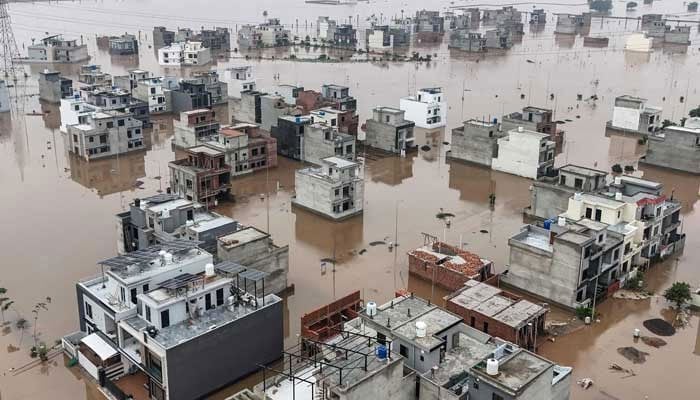
For the last few weeks, news outlets have reported on the floods and the damage they have caused. I have been struck by the seeming lack of official data about flooding and resulting agricultural losses. Instead, the vacuum left the door open to just about anyone to inject their own estimates. While the waters were still rising and making their way downstream, questionable estimates of agricultural losses were being thrown around, gaining traction.
One that was widely cited was an estimate by the Pakistan Business Forum. Those estimates were picked up and repeated by successive news reports, including some ministers. In the absence of alternatives, they even made their way into reports by foreign news outlets. While I am sure the PBF is capable of and resourced to do a great many things, I am certain that generating running estimates of countywide agricultural losses is not among them. Its estimates are not accompanied by any meaningful description of the used methodology and are likely projections derived from incomplete reports of the Provincial Disaster Management Authority and other governmental bodies.
Even without floods, accurate figures about crop production are a constant challenge. Estimates, which inform decisions about the export of agricultural products, vary widely and have led to bad calls. There is no reliable, continuous data collection mechanism in place.
Dawn for more