
by SAM PIZZIGATI
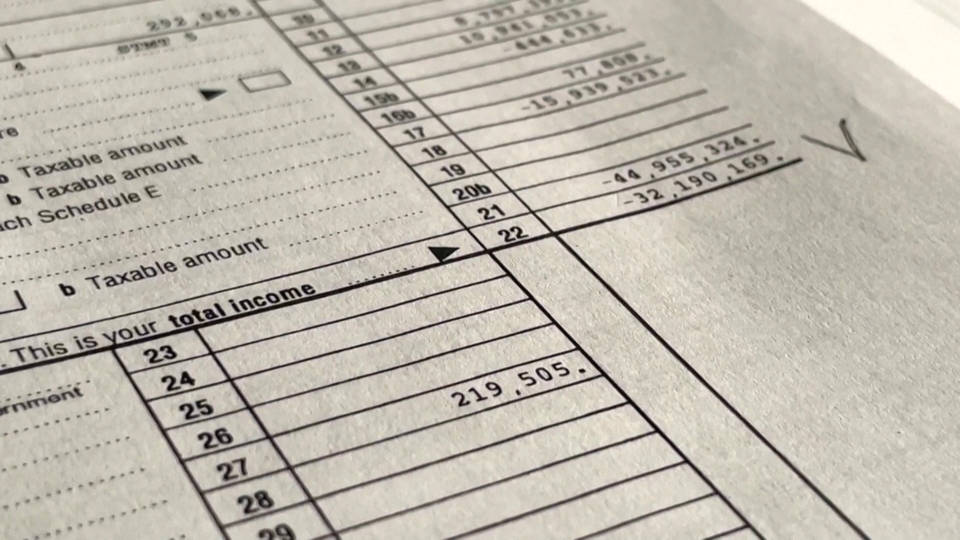
Tax consultant Charles Littlejohn faces prison while our richest continue to feel precious little tax-time pain.
A U.S. federal district court has just sentenced Charles Littlejohn to five years in prison. What exactly did Littlejohn — a contractor for the IRS — do? He committed a public service. He revealed just how astoundingly little America’s richest are paying in federal taxes.
In 2019, after Donald Trump had reneged on his campaign pledge to publicly share his personal tax data, the then 33-year-old Littlejohn passed detailed info from Trump’s tax returns to the New York Times. The subsequent Times exposé revealed that Trump, in 2016, had paid a mere $750 in federal income taxes and not paid any such taxes in all but five of the fifteen previous years.
A year later, Littlejohn shared a much wider federal income tax data set with the nonprofit news organization ProPublica. These new numbers helped expose how a variety of wealthy public officials, including the mega-millionaire Rick Scott, a Republican U.S. senator from Florida, had exploited tax code loopholes “to preserve their family fortunes for their heirs.”
A fuming Senator Scott would go on to position himself — before Littlejohn’s sentencing this past Monday — as among the “thousands of American taxpayers” that Littlejohn had subjected to “partisan abuse.”
The Wall Street Journal shared Scott’s indignation. “The man behind the largest heist of taxpayer data,” the Journal insisted, fully deserves a “multiyear sentence” severe enough to “deter future political raids on unpopular Americans.”
But the outrage over Littlejohn’s IRS data leaks went far beyond the ranks of right-wing lawmakers and editorial boards. The presiding U.S. district court judge on Littlejohn’s case, Ana Reyes, could barely contain her fury.
“I cannot overstate how troubled I am by what occurred,” Reyes announced last October at the hearing where Littlejohn pled guilty to one count of unauthorized disclosure of income tax returns. Reyes went on to promise “serious consequences” for Littlejohn’s transgressions.
“People taking the law into their own hands,” she intoned, will always be “unacceptable.”
U.S. Attorney-General Merrick Garland would be equally aghast.
“By using his role as a government contractor to gain access to private tax information, steal that information, and disclose it publicly,” Garland harrumphed, “Charles Littlejohn broke federal law and betrayed the public’s trust.”
Inequality for more