
by DIEGO JAVIER LUIS
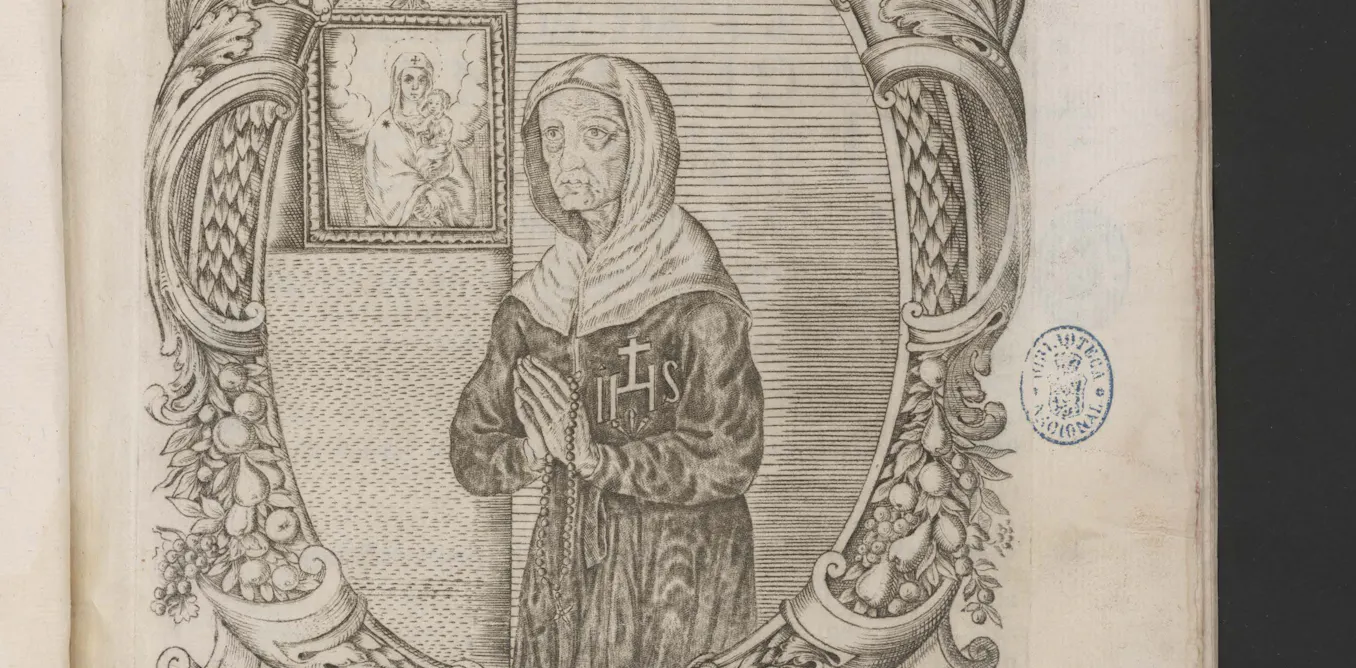
Jan. 5, 2024, marked 336 years since the passing of an extraordinary woman you have probably never heard of: Catarina de San Juan.
Her life reads like an epic. Born in South Asia during the early 17th century, she was captured by the Portuguese at age 8 and sold to Spaniards in the Philippines. Spanish merchants then traded her across the Pacific to Mexico, where she became a free woman and a spiritual icon, famous in the city of Puebla for her devotion to Catholicism. As a scholar of colonial Latin America, I believe she deserves to become a household name for anyone with even a passing interest in Asian American history or the history of slavery.
Catarina was one of the first Asians in the Americas – a focus of my historical research, and the title of my recent book – and arrived through a little-known slave trade that crossed the Pacific Ocean. In colonial Mexico, she lived in the “nideaquínideallá,” the “neither-from-here-nor-from-there”: a valley between acceptance and foreignness, an in-between state familiar to many migrants today.
The Conversation for more