
by JOHN LINDSAY-POLAND
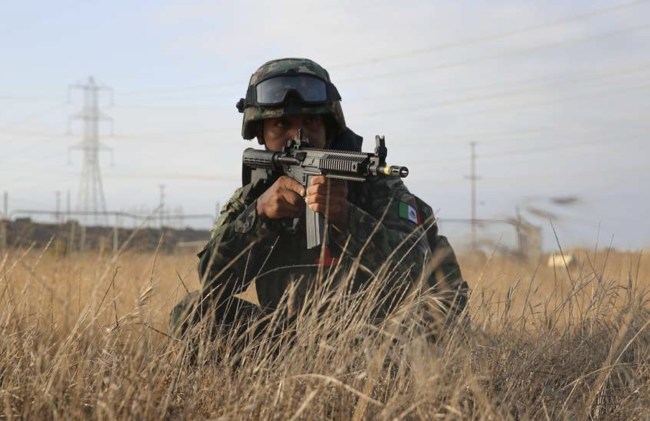
Legal U.S. firearm sales to Latin American countries are on the rise, arming violent actors in Mexico, Guatemala, and elsewhere. U.S. gun export policies need more than tweaking.
Recent events from the deadly mass shooting in Lewiston, Maine to Israel’s bombardment of Gaza should demonstrate clearly that more weapons are not making the world safer for anyone. But you would never know it from the growth of U.S. weapons sales to Latin America. According to U.S. trade data, in the first eight months of 2023, annualized U.S. exports to Latin America of guns, munitions, and parts increased by 74 percent since 2021.
President Joe Biden has repeatedly called on Congress to enact a proposed ban on the domestic sale of assault rifles, which are the weapon of choice for both mass shooters in the United States and for criminal organizations in Mexico and elsewhere who seek to control territory. But the Biden administration has not acted to curb the export of such rifles overseas, leading Senator Elizabeth Warren and other members of Congress to write Secretary of Commerce Gina Raimundo in September regarding the Department’s “lackluster oversight of assault weapons exports and its failure to release data on its approvals of these exports.”
The surge in U.S. firearms sales to Latin America in the last two years is almost entirely accounted for by increases in Mexico and Guatemala. Mexico accounts for 46 percent of all U.S. gun, munitions, and parts exports to Latin America so far this year, data from the U.S. Census Bureau and International Trade Commission show. In the first eight months of 2023, Mexico purchased nearly $60 million in firearms, ammo, parts, and explosives—more than doubling such U.S. exports in each of the last two full years. From January through August, Mexico imported 10,364 military rifles worth over $17 million—three times the annual average of such exports to Mexico over the last four years—and $21 million worth of ammunition.
The military rifles imported by Mexico were primarily shipped in May, June, and July by Sig Sauer Inc., which is German-owned but based in New Hampshire. Jorge Alejandro Medellín, a journalist covering military affairs in Mexico, attributed the spike in Sig Sauer weapons imports to the Mexican Navy’s increased drug war operations and a desire within the U.S. military to make Mexico’s weaponry compatible with its own.