
by PETE RIEHL
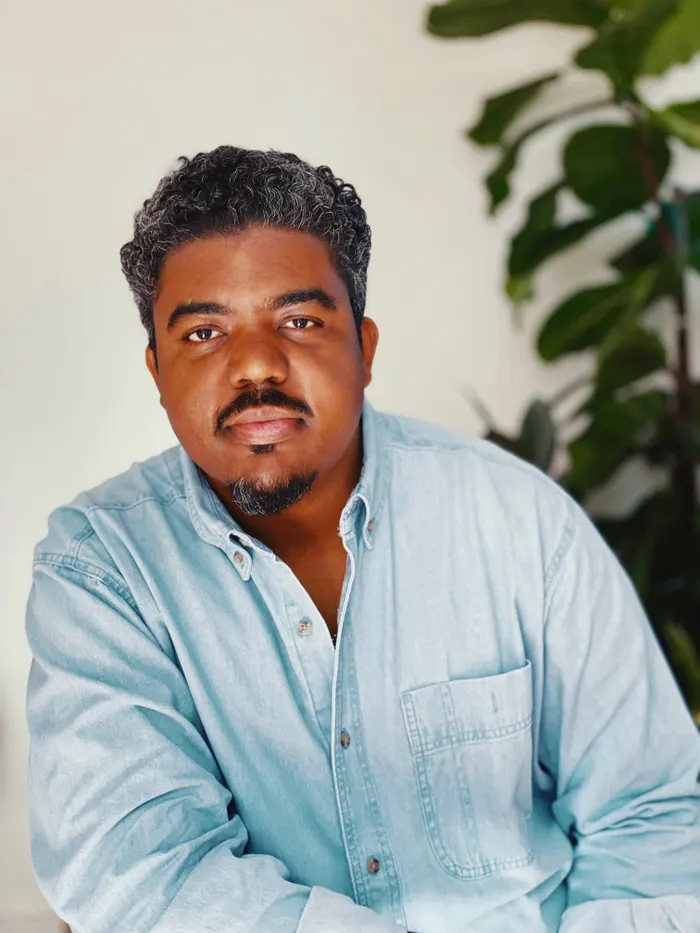

Hiding in plain sight, the largely unexamined crack epidemic of the 1980s and early 1990s has much to teach us about current US drug policy, the blatant racism of drug-related sentencing, and the power of community action. In his important, balanced book When Crack Was King: A People’s History of a Misunderstood Era, Donovan X. Ramsey takes a wide and necessary view of the choices—sinister and well-meaning alike—that led to the epidemic. To complement his sweeping historical and political analysis, Ramsey also spends time with individual people who weathered the worst of the era and lived to share its lessons.
I spoke with Ramsey about the crack epidemic and what it can teach us about propaganda, criminalization, racist policing, and community care.
This interview has been edited for length and clarity.
Pete Riehl: In the book you detail the myths that surround the crack epidemic, writing, for instance, about the term “crackhead” and how it was and still is an offhanded insult. Can you talk about the connotations of the term “crackhead” and how they are still prevalent?
Donovan X. Ramsey: Anybody who was alive during that period will remember that there was a tremendous amount of media around the crack epidemic and around people who used and sold crack. But the media was really inconsistent. It was largely propaganda: Crack users in particular were seen as zombies and drug dealers as “super predators,” a term that Hillary Clinton used in the early nineties. This messaging made crack addicts and dealers seem otherworldly, and it made caricatures out of real people to the point that it was a term that people could sort of throw around loosely as a way of insulting someone.
It’s my belief that this level of propaganda and hype was used to try to save people’s lives, but ultimately the cost of it was that we created such distance between addicts and non-addicts, between dealers and non-dealers, that those people became “the people over there.” We’re still paying for that as a society, because drug epidemics come and go and we haven’t gotten better at handling them, and we don’t have enough empathy for the people that get caught up in them. I should also say the fact that this happened to a drug that disproportionately hit Black America is no surprise, because if there’s one thing that this country is good at, it’s flattening out Black people, flattening out things that happen to Black people into easily dismissible symbols.
PR: In an early chapter of When Crack Was King, you write about the Kerner Commission, which was formed by Lyndon Johnson to investigate the causes of racial violence and unrest that was going on in Detroit, Newark, and other cities. And its findings were resounding, in that they really pointed a finger and said, “Hey, American government, white supremacy is the problem here.” But despite these findings, just a few years later we see the “Southern strategy” unfold, and we see Nixon and the rising militarization that eventually morphed into “The War on Drugs.” Can you talk about how that came to be?
DXR: Within American politics, it has always been advantageous to leverage race—that is just in the foundation of our country’s character and in our politics, such that people used to call it the “Negro problem,” euphemistically. You know, The country is not what it used to be. This has always been a vein that has run through the US. So the “Southern strategy” was a Republican political strategy to separate poor white voters from people that they otherwise would have a lot in common with by appealing to their racial fears and tensions.
You saw this mindset emerge because the crack era was really an era of retrenchment from the wins of the civil rights movement and from the energy of the Black Power movement. You have in the sixties and seventies what feels like all of these incredible advances for people of color. Political angst was expressed by people of color and folks on the antiwar Left, women and other marginalized people had a moment during that period. Meanwhile there were people of the so-called “silent majority” who were like, Enough of this! Which sounds very familiar today.
There were people who felt like we needed to “take the country back,” and one of the ways that they did that was this “war on drugs” that under Nixon really started to criminalize people on the Left. It meant associating hippies and Black people with drugs, which is really critical to point out, because almost every racial group has similar levels of drug use and drug abuse. So, if you do need a mechanism to interfere in people’s lives, to step into people’s lives, to criminalize people, drugs are a perfect tool because drugs exist within every community.
The Millions for more