
by BINOY KAMPMARK
The Political Is Never Divorceable From the Personal
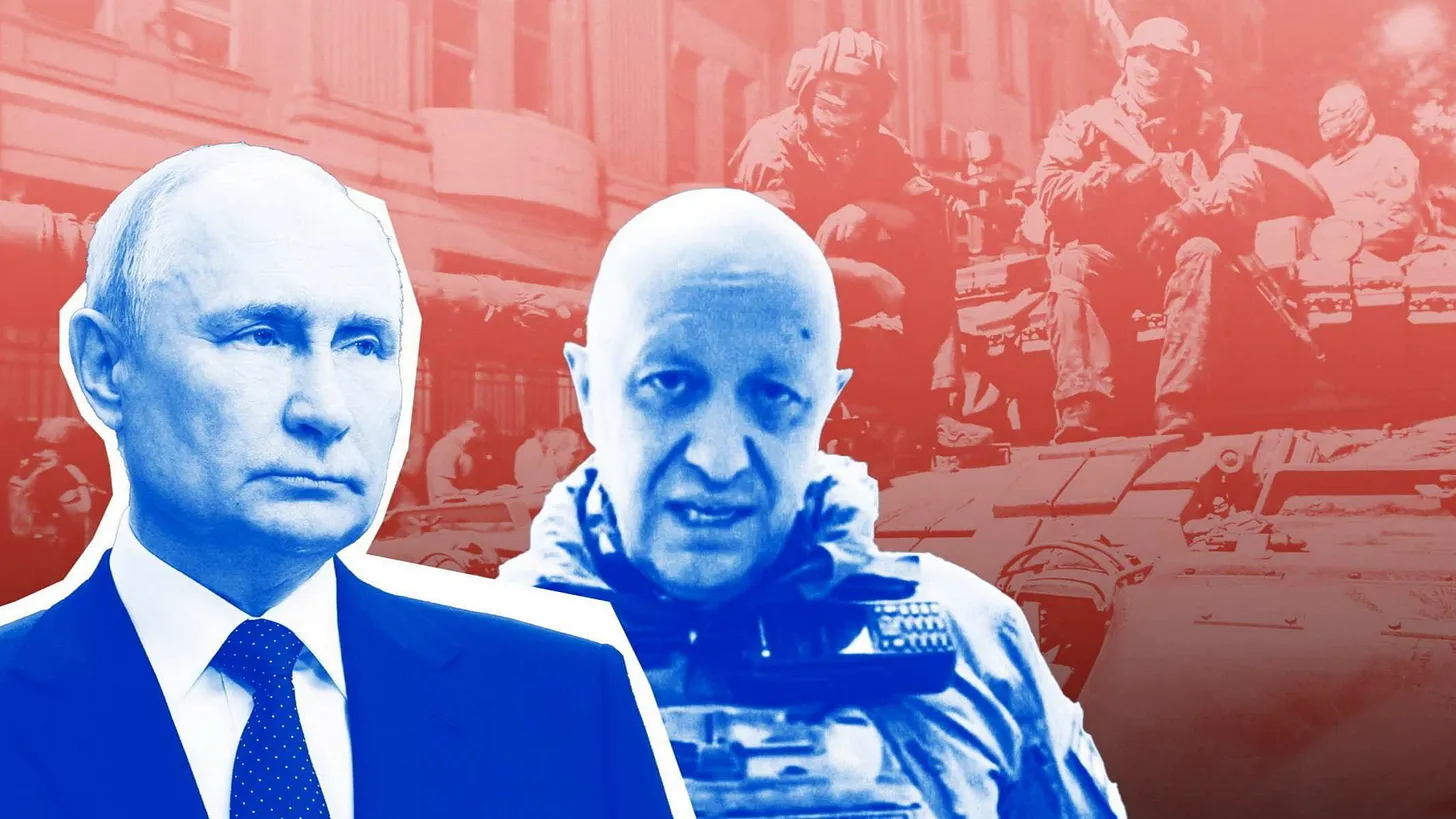
A lot of nonsense is being spouted by a bevy of spontaneous “Russian experts” in light of the Prigozhin spray, a mutiny (no one quite knows what to call it), stillborn in the Russian Federation. It all fell to the theatrical sponsor, promoter and rabble rouser Yevgeny Prigozhin, a convict who rose through the ranks of the deceased Soviet state to find fortune and security via catering, arms and Vladimir Putin’s support.
In the service of the Kremlin, Prigozhin proved his mettle. He did his level best to neutralise protest movements. He created the Internet Research Agency, an outfit employing hundreds dedicated to trolling for the regime. Such efforts have been apoplectically lionised (and vilified) as being vital to winning Donald Trump the US presidency in 2016.
His Wagner mercenary outfit, created in the summer of 2014 in response to the Ukraine conflict, has certainly been busy, having impressed bloody footprints in the Levant, a number of African states, and Ukraine itself. Along the way, benefits flowed for the provision of such services, including natural resource concessions.
But something happened last week. Suddenly, the strong man of the mercenary outfit that had been performing military duties alongside the Russian Army in Ukraine seemed to lose his cool. There were allegations that his men had been fired upon by Russian forces, a point drawn out by his capture of the 72nd Motorised Rifle Brigade commander, Lieutenant Colonel Roman Venevitin. Probably more to the point, he had found out some days earlier that the Russian Defence Ministry was keen to rein in his troops, placing them under contractual obligations. His autonomous wings were going to be clipped.
The fuse duly went. Prigozhin fumed on Telegram, expressing his desire to get a number of officials, most notably the Defence Minister, Sergei Shoigu, and Chief of the General staff Valery Gerasimov, sent packing. A “march for justice” was organised, one that threatened to go all the way to Moscow.
President Vladimir Putin fumed in agitation in his televised address on June 24, claiming that “excessive ambition and personal interests
[had]
led to treason, to the betrayal of the motherland and the people and the cause”. Within hours, Belarussian President Alexander Lukashenko, whose diplomatic skills are threadbare, had intervened as mediator, after which it was decided that the Wagner forces would withdraw to avoid “shedding Russian blood”.
This all provided some delicious speculative manna for the press corps and commentariat outside Russia. Nature, and media, abhor the vacuum; the filling that follows is often not palatable. There was much breathless, excited pontification about the end of Putin, despite the obvious fact that this insurrection had failed in its tracks. John Lyons of the Australian Broadcasting Corporation was aflame with wonder. Where, he wondered, was the Russian President? Why did the Wagner soldiers “get from Ukraine to Rostov, take control of Ukraine’s war HQ then move to Voronezh without a hint of resistance”?
John Lough of Chatham House in London claimed that Putin had “been shown to have lost his previous ability to be the arbiter between powerful rival groups.” His “public image in Russia as the all-powerful Tsar” had been called into question. Ditto the views of Peter Rutland of Wesleyan University, who was adamant in emphasising Putin’s impotence in being “unable to do anything to stop Prigozhin’s rogue military unit as it seized Rostov-on-Don”, only to then write, without explaining why, about uncharacteristic behaviour from both men in stepping “back from the brink of civil war”.
Then came the hyperventilating chatter about nuclear weapons (too much of the Crimson Tide jitters there), the pathetic wail that accompanies those desperate to fill both column space. The same degree of concern regarding such unsteady nuclear powers as Pakistan is nowhere to be seen, despite ongoing crises and the prospect of political implosion.
Commentors swooned with excitement: the Kremlin had lost the plot; the attempted coup, if it could even be called that, had done wonders to rattle the strongman. Those same commentators could not quite explain that Prigozhin had seemingly been rusticated and banished to Belarus within the shortest of timeframes, where he is likely to keep company with a man of comparatively diminished intellect: Premier Lukashenko himself. Prigozhin, for all his aspirations, has a gangster’s nose for a bargain, poor or otherwise.
Savage Minds for more