
by ADANE ZAWDU GEBYANESH
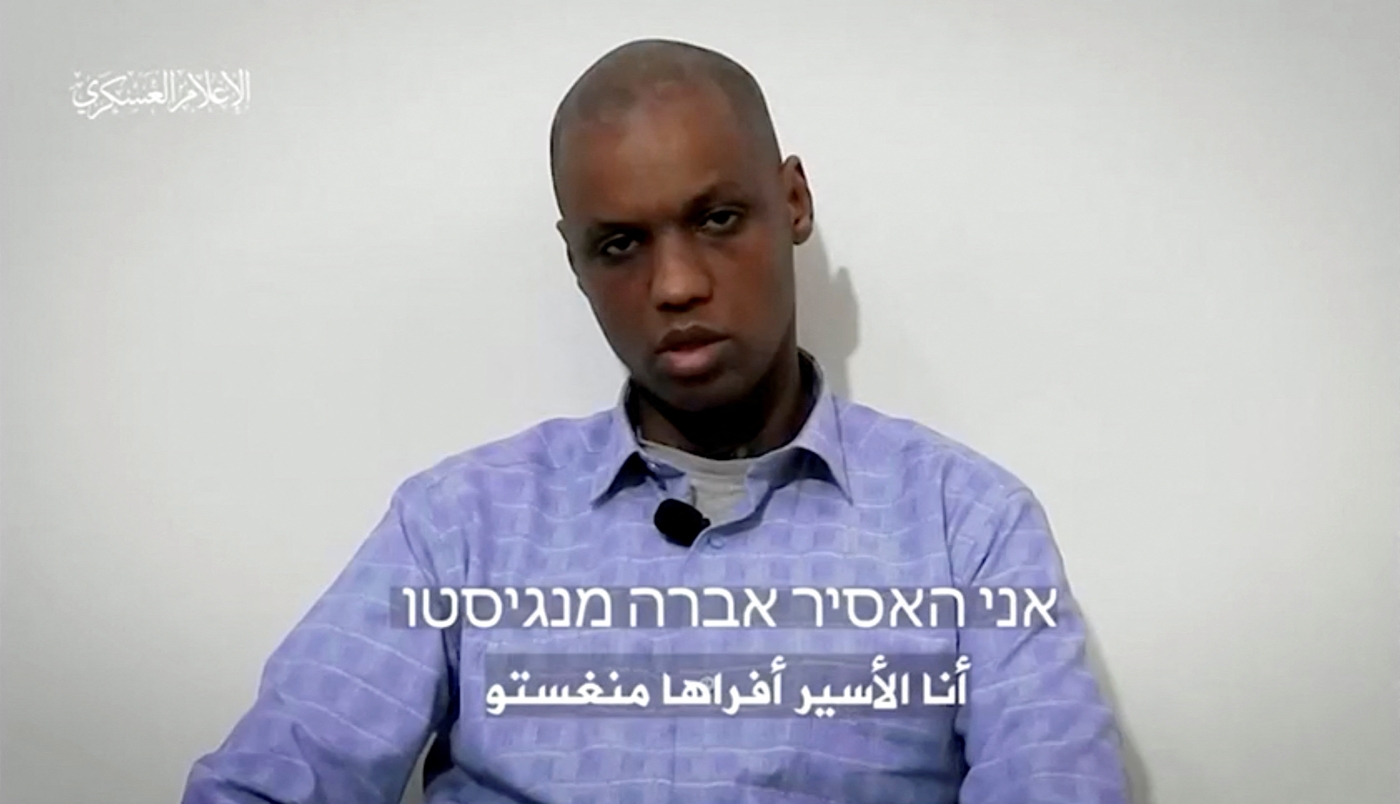
Last week, we received a reminder that Avera Mengistu is still alive.
Mengistu is an Israeli citizen of Ethiopian origin who climbed over the fence separating Israel and Gaza on 7 September 2014, a few weeks after Israel’s onslaught against Gaza, and has been held captive ever since by Hamas.
Last week, a video less than a minute long was released by Hamas with Mengistu appearing for about 12 seconds.
The video is a testament to the unequal value placed on lives in Israel. It is a reminder of Ethiopian Israelis’ low position within this structure, and how our struggle for dignity and rights is linked to the Palestinian struggle.
The timing of the release of the video wasn’t coincidental. It was broadcast as Israeli channels reported live from the appointment of the new Israeli army chief of staff.
The video spoiled the festive atmosphere and forced Israeli television to speak Mengistu’s name.
Yet, in the short round of Israeli media and state officials’ attention, both repeated, in every way possible, that Mengistu was mentally ill and voluntarily crossed the border to Gaza.
With every mention of his captivity, these two details were added with a slight tone of relief. They sharpen the difference between the familiar type of Israeli captive – a soldier or kidnapped civilian – and Mengistu, whose treatment is almost justified.
Unequal value
On the one hand, he is portrayed as a person who is not responsible for his actions, and at the same time, a person who crossed the border knowingly and of his own free will. This narrative downplays both public and state responsibility towards Mengistu.
Ethiopian Israeli political activists have compared the treatment of Mengistu to that of Gilad Shalit, an Israeli soldier of European origin, held captive for five years by Hamas, and released in a prisoner exchange deal with the State of Israel. The campaign to free Shalit attracted mass mobilisation.
Middle East Eye for more