
by MADELINE RITTS & DANIEL ROSENBAUM
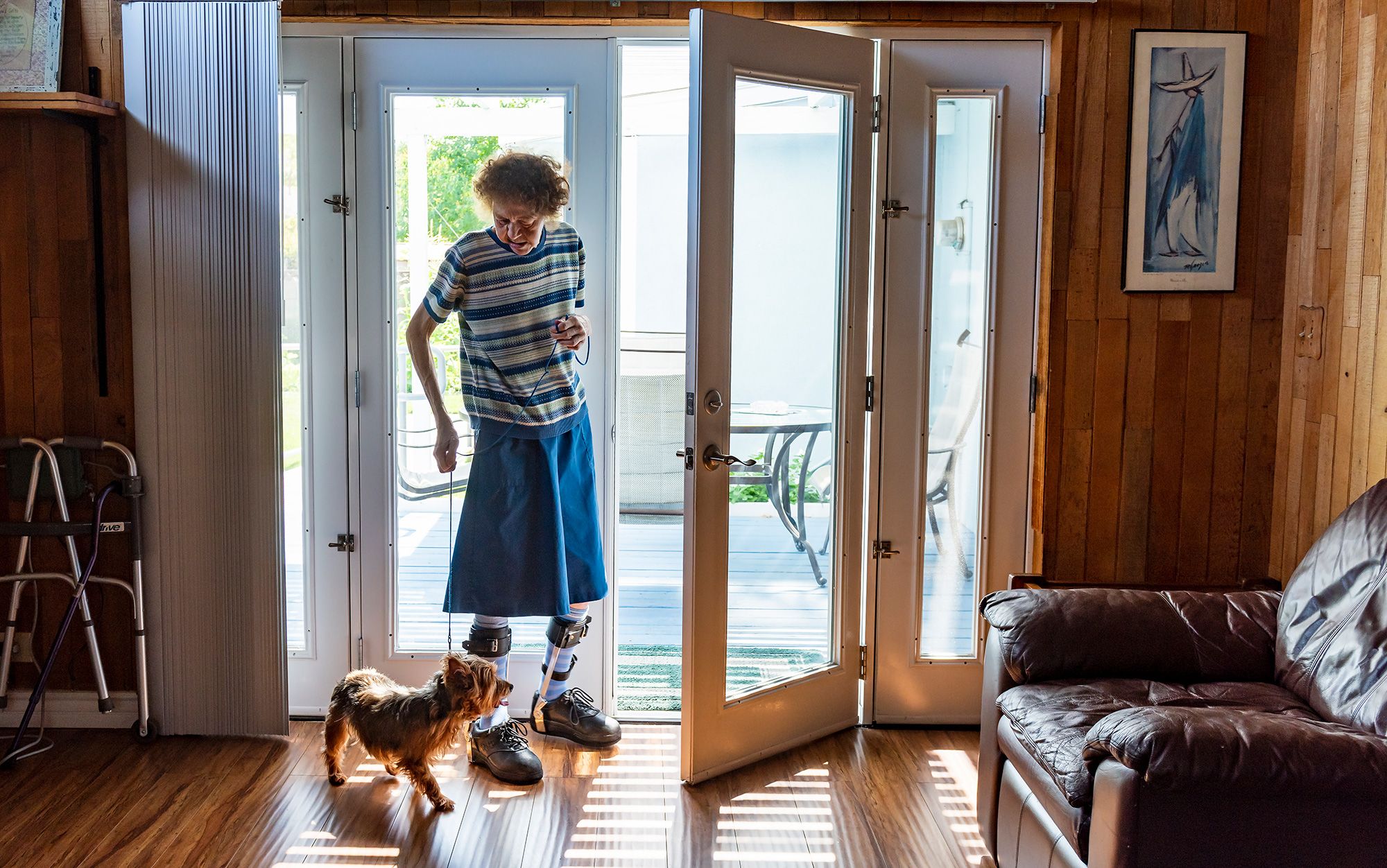
Myra hears violent and upsetting voices that nobody else can hear; she struggles with hygiene and remembering to change her clothing. Unable to achieve employment, she receives a paltry monthly welfare payment that she spends almost entirely on rent. For that, Myra has access to a lice-ridden shared room in a private-market boarding home where fights break out regularly. Owing to certain symptoms of her illness, including profound disorganisation of her speech and thoughts, Myra has been deemed ‘incapable’ of managing her money, so a public trustee oversees her spending. Similarly, her psychiatrist believes she lacks the capacity to appreciate the benefits and risks of receiving or refusing treatment. Being estranged from her family, Myra’s treatment decisions are therefore made on her behalf by an appointed ‘substitute decision-maker’.
‘Myra’ is a fictionalised account (based on real cases) of contemporary life for a person with a severe and persistent mental illness (SPMI) – our preferred term given the important critiques of specific diagnostic mental illness categories on validity grounds. She is in receipt of the most comprehensive community mental health service for people with SPMI – known as assertive community treatment (ACT). Primarily available in North America, western Europe, Scandinavia, Australia and New Zealand, this type of treatment (which can go by different names in different regions) offers intensive outreach-based care to support living independently and safely in the community, with some clients seen as often as twice a day. To coordinate access to essential items (eg, food, shelter and clothing), services (eg, medical and dental care), and personal support workers for their clients, ACT teams rely on a mixture of private, public and not-for-profit services.
Severe and persistent mental illness impacts people differently. For some, robust social support and outreach-based mental health programmes can make a powerful difference to their functioning and quality of life. But an unfortunate few like Myra continue to suffer significantly, even with intensive support. Compounding her problems, imagine now that Myra starts collecting items she finds on the street and that soon her unit is declared a fire hazard. Myra now faces eviction and, because housing is so hard to find, she will likely end up homeless. In the past, she has had difficulty remembering to take her medication while staying in shelters, leading to instances of self-harm and significant injury, and so her life has been punctuated with periods of involuntary acute care hospitalisation.
Aeon for more