
by ALISON GARDEN
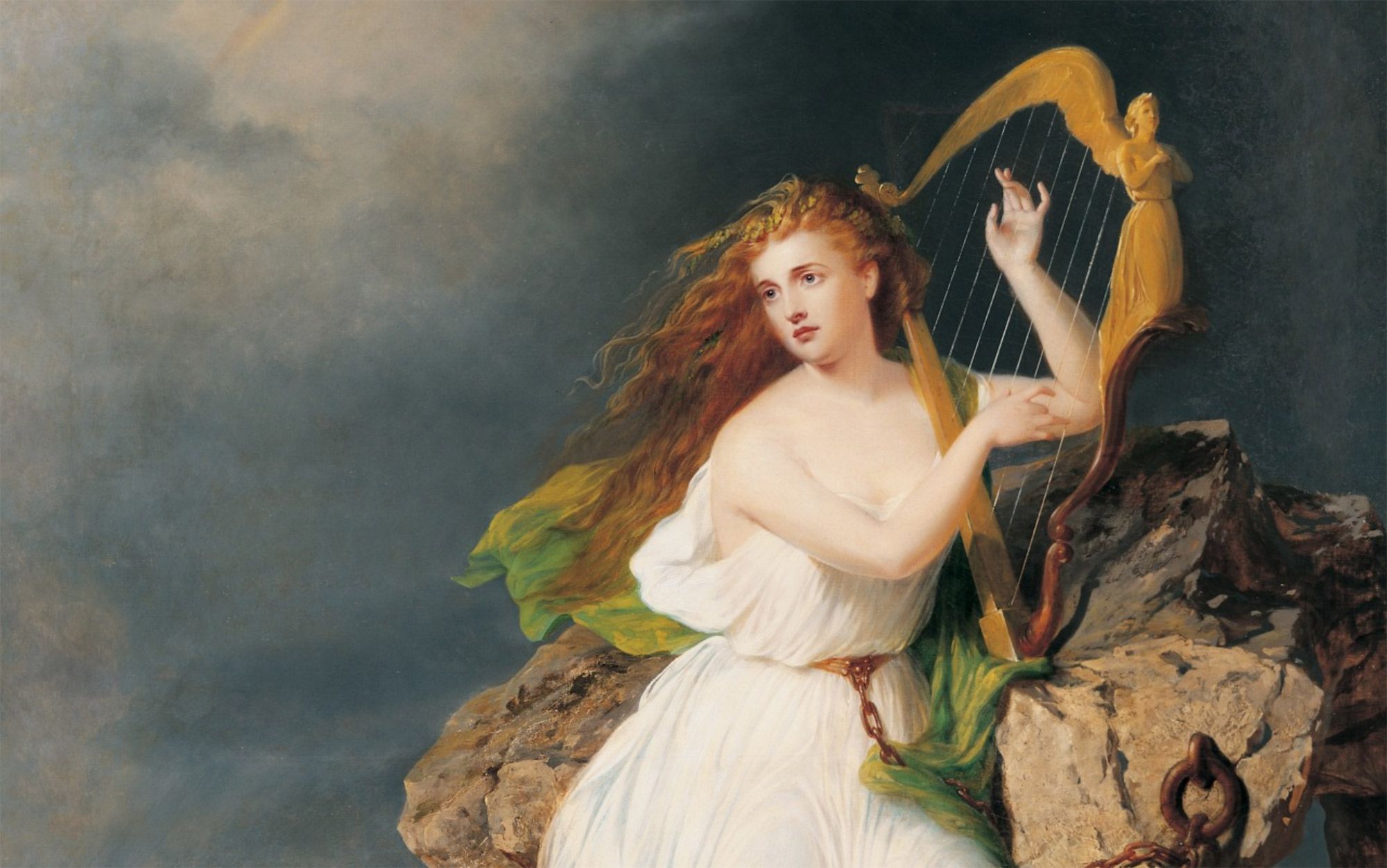
When William Shakespeare wrote there ‘never was a story of more woe / than this of Juliet and her Romeo’, he had no idea of the uses and abuses his play would face in the coming centuries. Shakespeare’s tale of star-crossed lovers has been woefully misappropriated for wildly different scenarios, from selling us balconies as the very emblem of romance (there’s no balcony in Shakespeare’s play) to serving as a leitmotif for the Israel-Palestine conflict. In 1990, the ever-controversial author Lionel Shriver lamented how often the narrative of doomed lovers cropped up in novels about the Northern Ireland conflict, suggesting that the ‘Troubles Writer … compulsively Romeo-and-Juliets his characters across the sectarian divide’.
Shriver might be right about the writerly compulsion to endlessly rehash the story of forbidden love, but the Irish history of this influential metaphor predates Shakespeare’s 16th-century play. In Ireland, such ‘romance’ narratives of lovers from opposing sides have historically been used to describe a political relationship between nations, often to gloss over the violence of British colonialism, and the afterlives of this usage echo through centuries of literature and culture. These afterlives don’t just crop up in fiction, either. People in the North still live intimately, cheek by jowl, with this imperial past. Here, I want to explore what is at stake in the messiness of these love stories: as political allegory, colonial metaphor, and, for some, daily life. We’ve been telling drastically simplified versions of the same story for hundreds of years, but why has no one stopped to ask why?
Aeon for more