
by JORDAN WEISSMANN
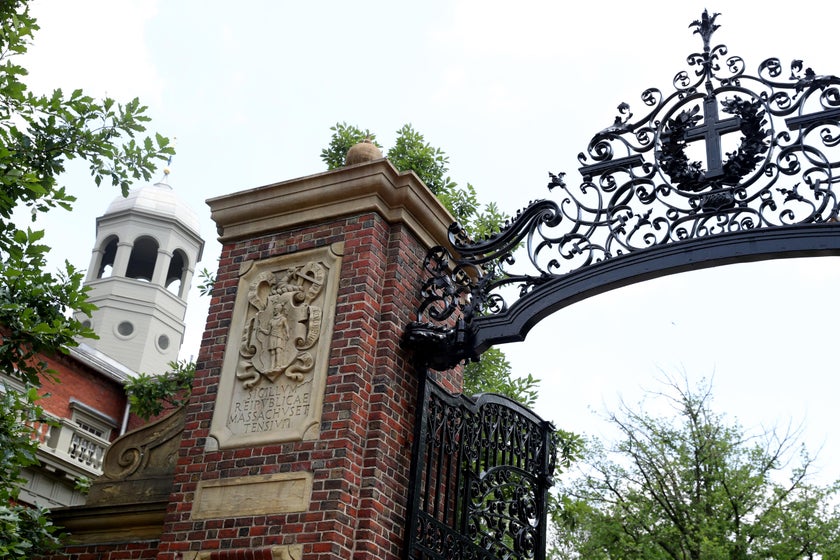
And elite universities deserve a huge share of the blame.
Last week, the Wall Street Journal published a troubling exposé on the crushing debt burdens that students accumulate while pursuing master’s degrees at elite universities in fields like drama and film, where the job prospects are limited and the chances of making enough to repay their debt are slim. Because it focused on MFA programs at Ivy League schools—one subject accumulated around $300,000 in loans pursuing screenwriting—the article rocketed around the creative class on Twitter. But it also pointed to a more fundamental, troubling development in the world of higher education: For colleges and universities, master’s degrees have essentially become an enormous moneymaking scheme, wherein the line between for-profit and nonprofit education has been utterly blurred. There are, of course, good programs as well as bad ones, but when you scope out, there is clearly a systemic problem.
Few have written more convincingly on this topic than Kevin Carey, director of the education policy program at New America. As a journalist and think tanker, he’s argued for years that “universities see master’s degree programs as largely unregulated cash cows that help shore up their bottom line,” and shown how even schools like Harvard offer effectively predatory programs. The rise of online learning has only supercharged the problem, by allowing universities to parlay their brands nationally and internationally in order to enroll students at an industrial scale.
In 2019, Carey took a long, dispiriting look at the rise of so-called online program managers, or OPMs—the private companies like 2U that major universities from Yale to small schools like Oregon’s Concordia University use to build their online offerings. These companies design and operate courses on behalf of schools—sometimes essentially offering a class in a box—that the university can slap its branding on. The OPM then takes as much as 70 percent of tuition revenue. That money is largely being funded with government loans, which may never be paid back.
After reading the Journal’s article, I called up Carey to ask him his thoughts on the current state of the master’s degree market, and what should be done to fix it. Advertisement
Jordan Weissmann: I feel like you have been methodically building up this thesis—which you would never quite put this bluntly—that master’s degrees are basically the biggest scam in higher education, and it seems like prestigious nonprofit universities are in on the grift along with for-profits. Would you say that’s an accurate description of your take at this point, or have I wildly distorted it?
Kevin Carey: Probably the biggest scam in higher education remains one-year certificates offered by shady for-profit colleges that cost, like, $25,000 and don’t lead to a job. Master’s degrees are probably No. 2. Certainly, within the confines of colleges that are not legally for-profit, they are the biggest scam by far.
Slate for more