
by MAHIR ALI
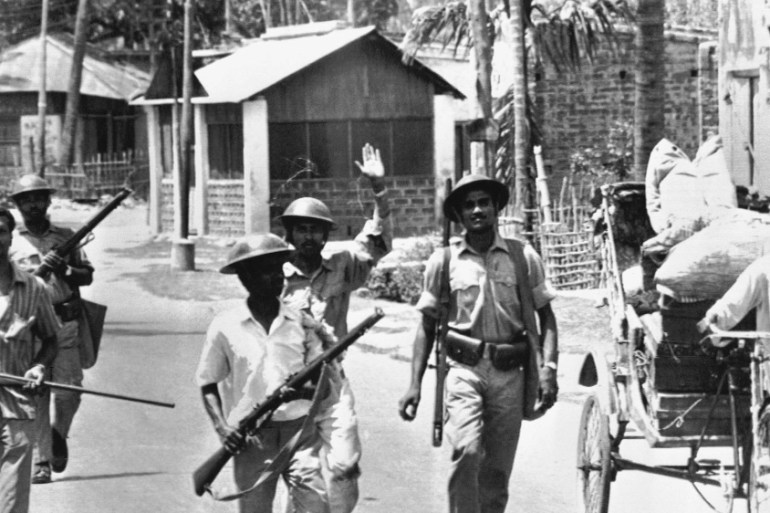
Almost exactly a year after its first elections based on universal adult franchise, Pakistan went to war. The unnecessary and unfortunate conflagration could directly be traced back to the nation’s failure to build on the democratic consequences of the electoral results.
The horrendous military crackdown in Dhaka on the night of March 25-26, 1971, had inevitably presaged a full-fledged civil war in East Pakistan. Millions of refugees — initially a representative sample of the territory’s confessional composition, but predominantly Hindus as the conflict wore on — crossed into India.
The decision to support the Mukti Bahini was effectively a no-brainer for New Delhi. A direct military intervention was a somewhat different matter. Indira Gandhi sounded out her generals as early as April, as she was coming under increasing pressure from the opposition to go beyond expressing sympathy for the Bengali nationalist cause.
The army leadership told her it would be ready in six months or so. The terrain was tricky enough without having to navigate the natural challenges regularly thrown up by the region’s monsoons. Nov 15 was deemed an appropriate date for launching an action. Eventually, Dec 4 was picked as D-day.
Mrs Gandhi evidently heaved a sigh of relief when Pakistan unleashed its air force across India’s western border on Dec 3, assuming that Islamabad could henceforth safely be designated as the aggressor.
Dawn for more