
by TED G. GOERTZEL
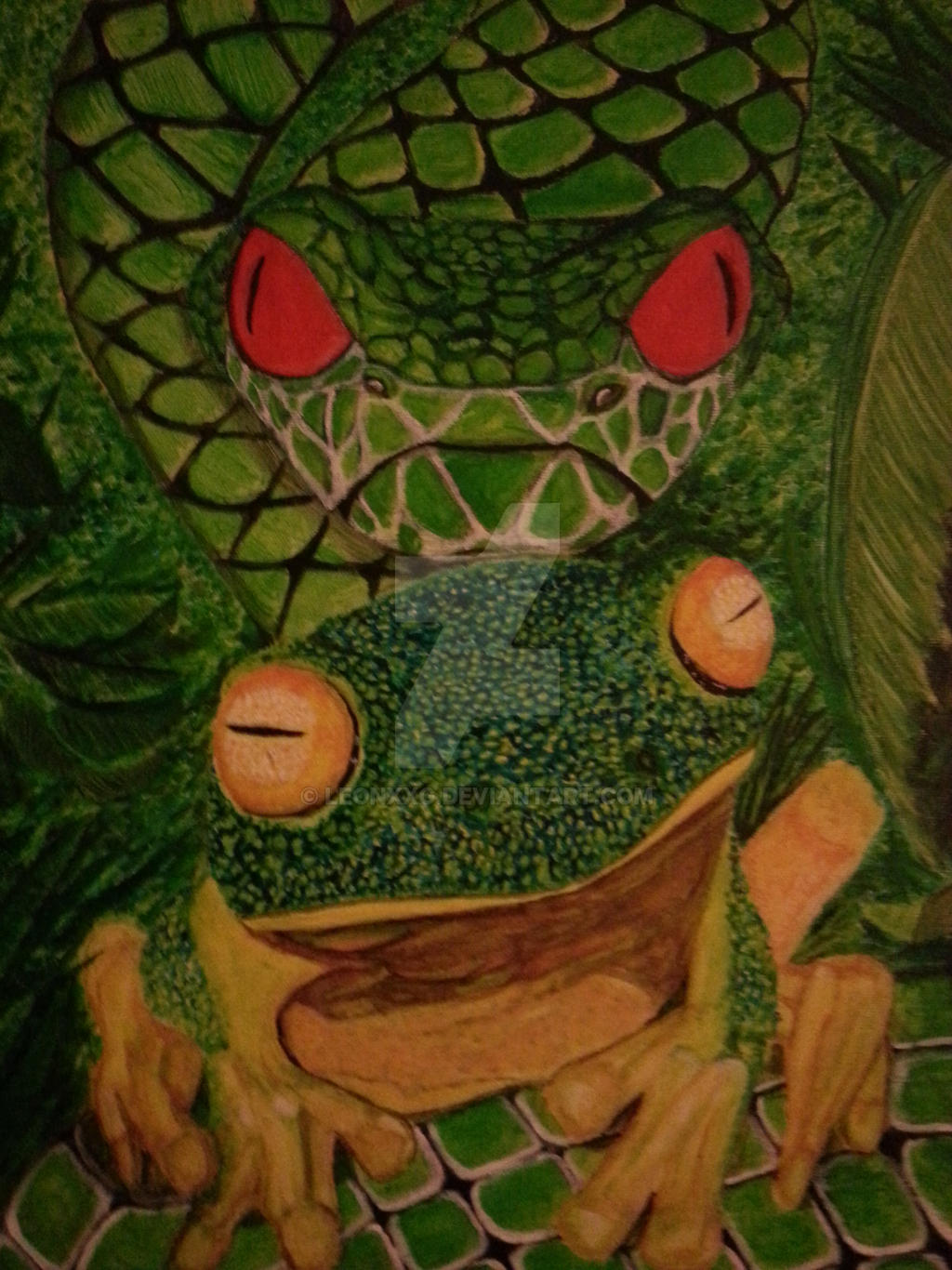
Brazilian presidential politics since 1985 is a parable of a feud between a Prince and a Frog, engrossed in a quarrel, who cracked the Serpent’s Egg. Fernando Henrique Cardoso is the Prince of Brazilian democracy. Luiz Inácio Lula da Silva is the Frog who became a Superstar. Jair Bolsonaro, the Serpent who hatched in 2018, represents forces that ruled the country from 1964 to 1984, and were lurking in the underbrush. It was not the class struggle but political miscalculation that created circumstances and relationships that allowed this grotesque mediocrity to play a hero’s part.
The metaphors are not my own. Paulo Markun published O Sapo e o Príncipe in 2004.(1) Cid Benjamin published O ovo vai gerar a serpente in 2020,(2) quoting Shakespeare: “And therefore think him as a serpent’s egg / Which hatch’d, would as his kind grow mischievous; / And kill him in the shell.”
Lula is by far the most charismatic of the three, indeed he is the most charismatic figure to emerge in Brazil since Getúlio Vargas. But despite his charms, Lula lost three presidential campaigns when his rhetoric was too radical for most Brazilian voters. When Lula was finally inaugurated president in 2003 he proclaimed that “hope has finally conquered fear and it is time for Brazil to blaze a new path.”
The speech was well received, but it was mistaken. Brazil blazed a new path when it returned to electoral democracy in 1985. It blazed a new path with the plano real in 1994. But 2003 wasn’t the time for a new path. In 2003 Brazil needed to put squabbles on the center-left aside to follow and improve the path that Cardoso had undertaken.
Lula and his advisors knew Brazil had to continue on Cardoso’s path, and they did so for his first term, much to the frustration of his utopian supporters. But in Lula’s rhetoric he demonized the herança maldita he said he had received from Fernando Henrique and the PSDB. And in his second term he came to believe his own rhetoric, expanding the bureaucracy and loosening controls on spending, although the economists told him he was riding on a commodities boom that couldn’t last.
Lula’s other tragic error was defaulting on the Workers Party’s promise to fight corruption. The issue isn’t the personal corruption he was convicted for, which was minor at most, but the reliance on massive and systematic corruption to maintain the alliance between the Workers Party and its opportunistic allies. The mensalão and the corruption of Petrobras provided more than enough grounds for impeachment.
When FHC was in office, the PSDB also relied on conservative and opportunist parties to pass legislation, using patronage but without such massive corruption. This strategy of relying on opportunist allies to fight each other worked, for both the Prince and the Frog, because the forces of the Serpent were content to grub for patronage.
One puzzle is why the Serpent didn’t break out of its shell during the 24 years from 1984 to 2014. One theory is that Brazilian public opinion leans to the left so conservatives didn’t have enough popular support. Another might be that Brazilians don’t think in terms of “right” and “left” or don’t believe the terms apply to Brazil. A recent paper by political scientist André Singer shows that neither of these hypotheses is correct. Singer examined survey research on the trends in the Brazilian ideological spectrum for the entire period from 1990 to 2019, as shown in the following table.
Brazzil for more