
by KYLA SCHULLERr
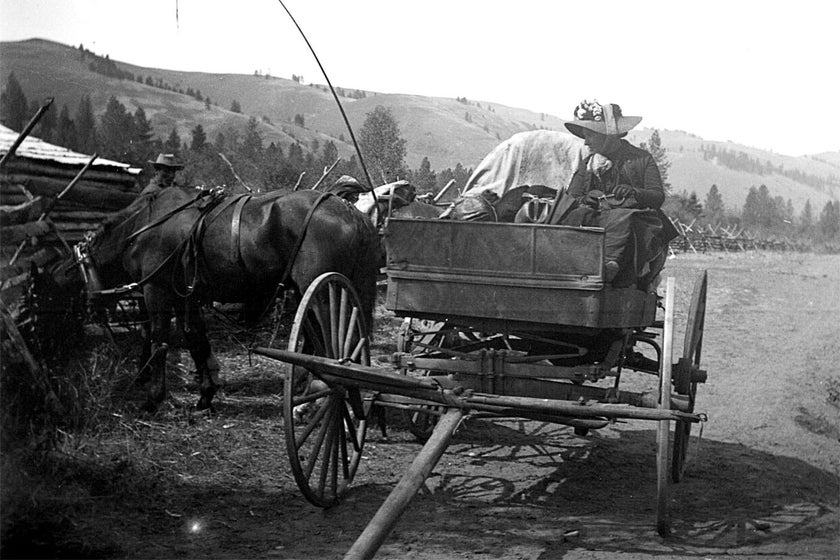
How white feminism failed Native Americans in the late-19th century.
In the fall of 1879, Alice Cunningham Fletcher, a 41-year-old white woman in Brooklyn, found an unexpected new outlet for her feminism. She attended a lecture at Boston’s Faneuil Hall given by Chief Standing Bear, a leader of the Ponca Tribe. He was touring the East Coast with the Omaha translator Susette “Bright Eyes” La Flesche and her brother Francis, aiming to gain support for the Poncas’ plight. Fletcher was struck by Susette La Flesche’s eloquence, grasping that “the door of language could be unlocked and intelligent relations made possible between the two races.”
Alice Fletcher had been a leader of the burgeoning clubwomen scene in New York for a decade. These clubs shattered decorum, bringing “talented, cultivated and beneficent women” together in public at halls and restaurants without the customary accompaniment of men. The clubwomen movement was distinct from other 19th-century movements organized by white women, such as the strident, political activism of Susan B. Anthony and especially Elizabeth Cady Stanton and the high-handed, emotion-driven patronage of Harriet Beecher Stowe. Clubwomen, by contrast, drew upon white women’s alleged moral authority to carve out a place for themselves in the country’s social and professional institutions. Their societies sought access, not civil rights or social transformation. They had a collective goal, though a highly limited one: to promote the personal and career success of bourgeois white women.
Slate for more