
by M. K. BHADRAKUMAR
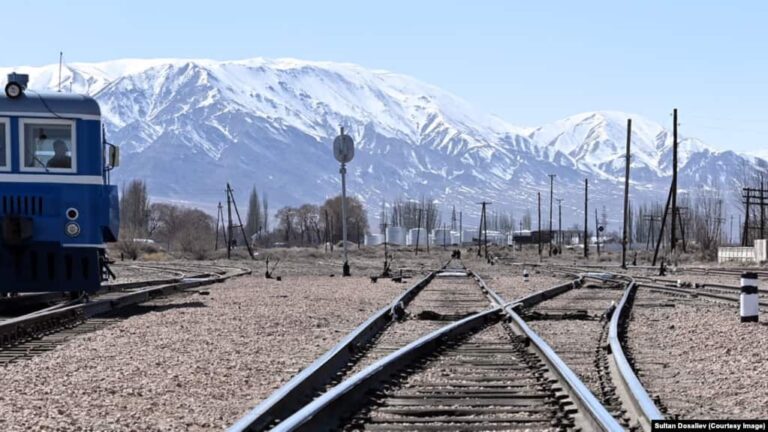
The report of the death of China’s Belt and Road Initiative [BRI] was an exaggeration, after all. Within days of the US President Joe Biden’s acerbic remark during an interview last week with the Time magazine that the BRI has “become a nuisance graveyard initiative,” a trilateral intergovernmental agreement to commence construction work on the China-Kyrgyzstan-Uzbekistan [CKU] railway project was signed in Beijing on Thursday.
Chinese President Xi Jinping offered congratulations on the trilateral intergovernmental agreement with Kyrgyzstan and Uzbekistan and described the CKU as “a strategic project for China’s connectivity with Central Asia, symbolising the three nations’ collaborative efforts under the Belt and Road Initiative.” Xi hailed the agreement as “a show of determination”.
The idea of such a railway project was first proposed by Uzbekistan in 1996 but it languished for over a quarter century thereafter due to the geopolitical and alliance changes in Central Asia, including reservations reportedly on the part of Moscow and Astana. China, which could unilaterally finance CKU, also lost interest and prioritised its ties with Russia and Kazakhstan.
Principally, the failure of the three countries to reach a consensus on the railway’s route became a vexed issue with China and Uzbekistan favouring a southern route, which would represent the shorter transit route to Europe and West Asia, while Bishkek insisted on the northern route—a longer passage that would connect Kyrgyzstan’s northern and southern regions and boost its economy.
However, the moribund project took new life following the changing geopolitics of Central Asia, as intra-regional integration processes began gaining traction, the rethink in Moscow in favour of strengthening regional connectivity in the conditions under western sanctions, etc.
Indeed, with improved railway connectivity, it is not only the connection between China and the two Central Asian countries along the route that will be strengthened, but the interconnectivity in Central Asian region as well.
However, in a curious reversal of roles, as Central Asia turned into a turf of the great game lately between the US on one side and Russia and China on the other, Washington began taking a dim view of the prospect of such a project to connect the railway systems of China potentially to the European railway network through Turkmenistan, Iran, and Türkiye.
Indian Punchline for more