by PETER LUKACS
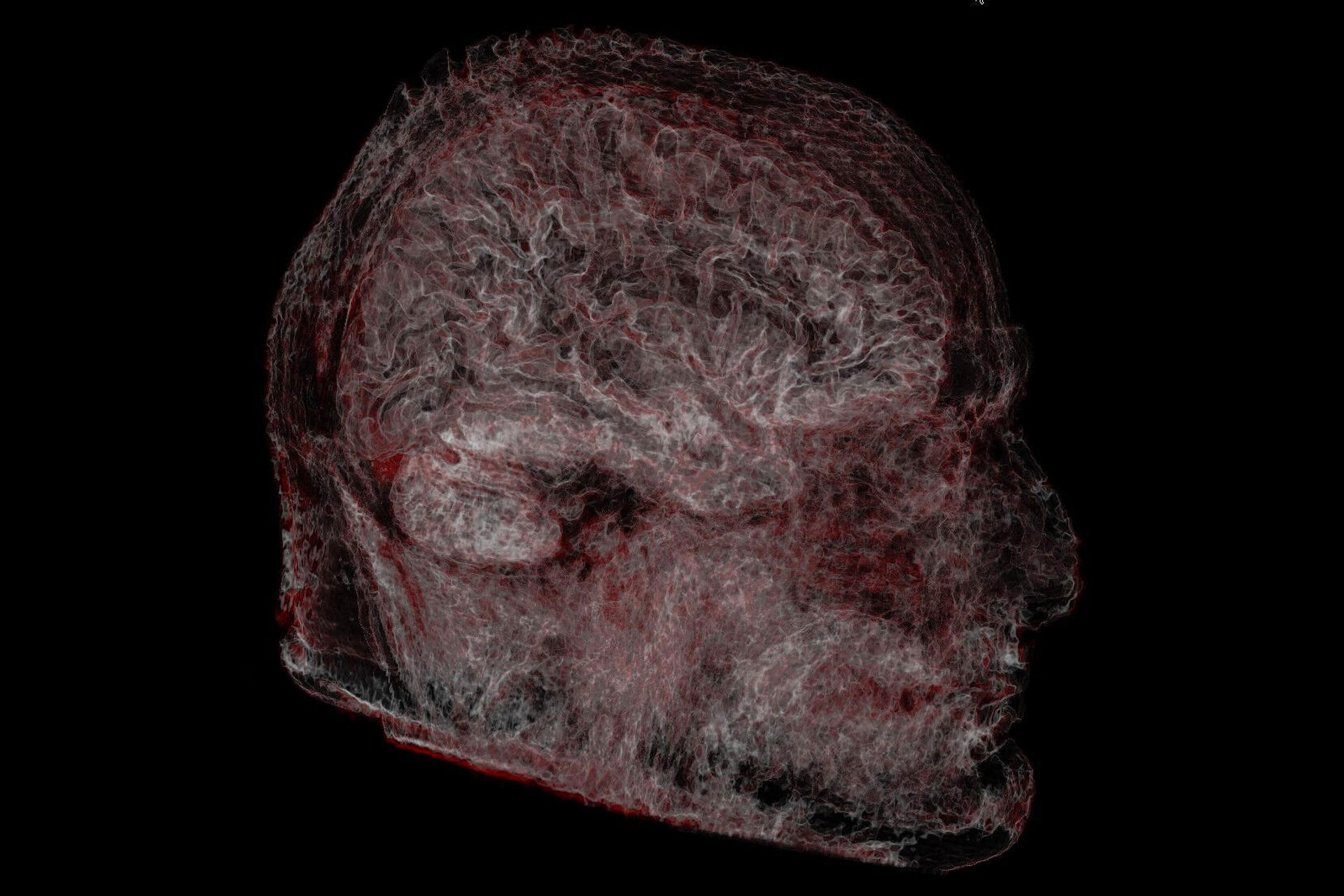
The metaphor of rewiring offers an ideal of engineered precision. But the brain is more like a forest than a circuit board
Popular wisdom holds we can ‘rewire’ our brains: after a stroke, after trauma, after learning a new skill, even with 10 minutes a day on the right app. The phrase is everywhere, offering something most of us want to believe: that when the brain suffers an assault, it can be restored with mechanical precision. But ‘rewiring’ is a risky metaphor. It borrows its confidence from engineering, where a faulty system can be repaired by swapping out the right component; it also smuggles that confidence into biology, where change is slower, messier and often incomplete. The phrase has become a cultural mantra that is easier to comprehend than the scientific term, neuroplasticity – the brain’s ability to change and form new neural connections throughout life.
But what does it really mean to ‘rewire’ the brain? Is it a helpful shorthand for describing the remarkable plasticity of our nervous system or has it become a misleading oversimplification that distorts our grasp of science?
After all, ‘rewiring your brain’ sounds like more than metaphor. It implies an engineering project: a system whose parts can be removed, replaced and optimised. The promise is both alluring and oddly mechanical. The metaphor actually did come from engineering. To an engineer, rewiring means replacing old and faulty circuits with new ones. As the vocabulary of technology crept into everyday life, it brought with it a new way of thinking about the human mind.
Medical roots of the phrase trace back to 1912, when the British surgeon W Deane Butcher compared the body’s neural system to a house’s electrical wiring, describing how nerves connect to muscles much like wires connect appliances to a power source. By the 1920s, the Harvard psychologist Leonard Troland was referring to the visual system as ‘an extremely intricate telegraphic system’, reinforcing the comparison between brain function and electrical networks.
The metaphor of rewiring also draws strength from changing theories in developmental neuroscience. The brain was thought to be largely static after childhood, becoming a fixed network of circuits, much like a hardwired radio. But beginning in the 1960s, researchers showed that the brain was far more adaptable. Stroke patients could regain function by recruiting new areas of the brain.
These findings revolutionised rehabilitation medicine. They also gave rise to an idea that would quickly leap beyond the clinic: if brains can rewire, then people can change.
Aeon for more