
by KHADIJAH KANJI
Addressing violence against women means expanding our definition of violence to encompass all of the sources of harm, from the global economy to climate change.
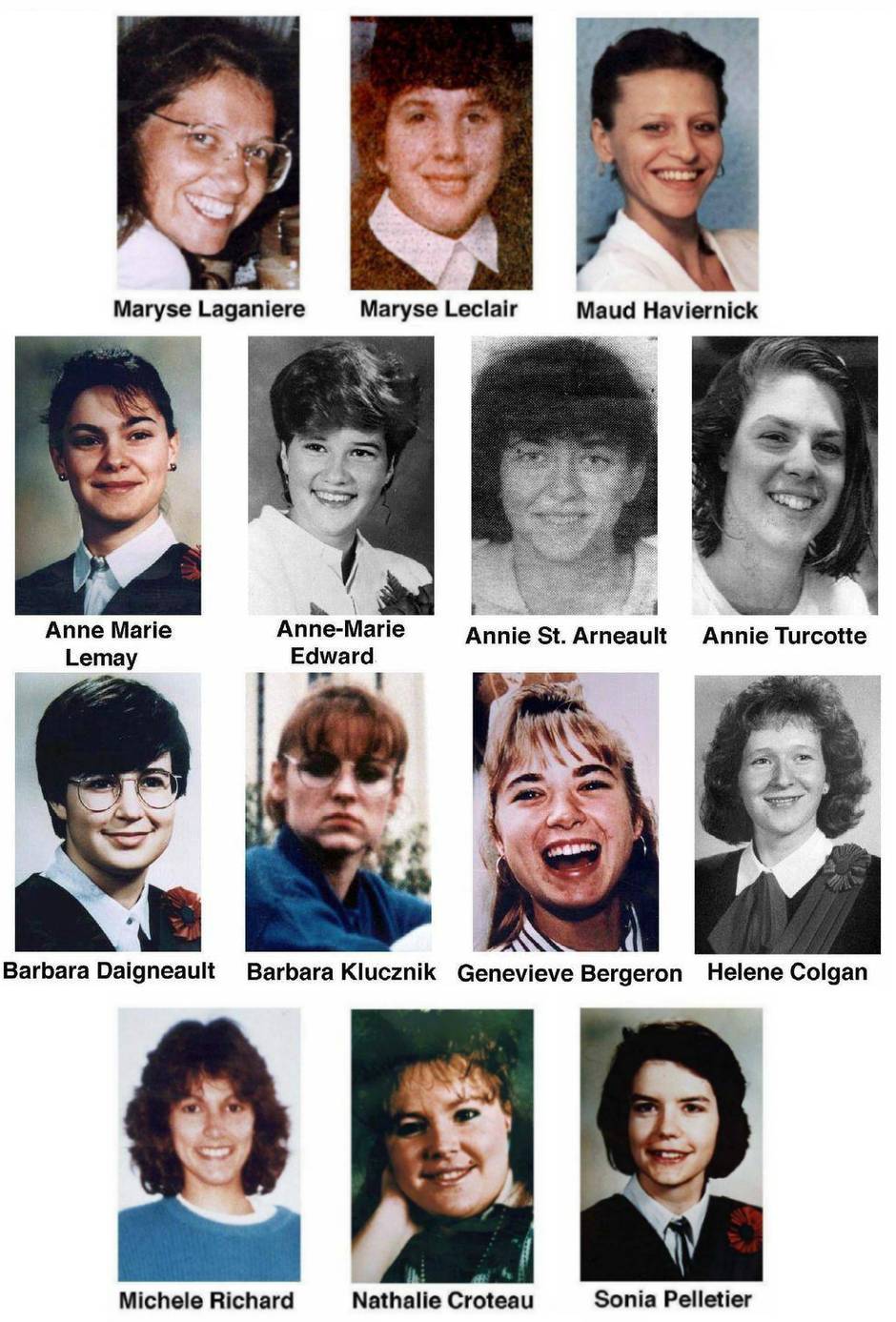
Less than a month after Canadians marked the 30th anniversary of the 1989 École Polytechnique Massacre — during which Marc Lepine murdered 14 women and injured 10 others on a college campus in the name of “fighting feminism” — trans activist Julie Berman was murdered in Toronto. A woman/feminized person is killed in Canada every 2.5 days by their intimate partner, and one third of women/femmes will experience at least one incident of sexual assault in their lifetime.
Berman’s murder also reminds us that the category of “woman” does an injustice to the diverse realities of living in a femininized body. While women/femmes who are marginalized by gender identity, sexual orientation, ability, age, and race are more likely to experience physical and/or sexual violence, they are additionally marginalized by their exclusion from consideration and conversation on gendered violence.
In Canada, the subject of gendered violence is revisited yearly on December 6. But we acknowledge that gendered violence will be a part of our societies every day until this date next rolls around. We acknowledge that the “woman” to which we devote our energy and attention on this day is, too often, defined according to the needs and experiences of the most privileged. And, we acknowledge that while we find most comfort in the passive pursuit of remembering, the issue of gendered violence is a current issue that calls us towards action.
Of course, this “action” must include addressing the violently misogynistic ideologies responsible for the massacre at École Polytechnique, and so many incidents since then. But we cannot miss a critical piece of the puzzle: our own participation and investment in patriarchy.
Patriarchy is a structuring force of our societies, one that organizes, directs and coordinates the lives of all us who live on this planet. It is easy enough to condemn those driven by a seemingly irrational hate of feminized people. It is less easy to consider the ways that we ourselves benefit from this system — including many of us who identify as women.
Patriarchy and the global economy
Patriarchy is a feature of our global capitalist economy, making possible our material abundance.
Consider fast fashion — sustained by sweatshop labor, up to 90 percent of which is supplied by women. Those working in sweatshops are paid as little as 6 cents per hour, work 10 to 12-hour shifts — with frequent mandatory overtime — and have restricted bathroom and water breaks. Sexual harassment, corporal punishment and verbal abuse are regular disciplinary tactics. And the work is often lethal, exemplified by the 2013 Rana Plaza Collapse in Bangladesh, the deadliest structural failure incident in modern human history. The majority of the 1,100 people killed and 2,500 injured were young women employed as garment workers in the building — forced back to work despite knowledge that the building was unsafe. The disaster is a shocking reflection of the dehumanization of women in the Global South — one that both enabled the disaster to occur, and that has determined the responses to it.
The Supreme Court of Canada dismissed a lawsuit against the Canadian supermarket chain Loblaws by the family members of victims, who were producing clothes for the company’s “Joe Fresh” label. The Court held that Loblaws had no duty of care to those workers and ordered victims to pay back almost $1 million in legal costs.
Roar for more