
by LUCY SCHOLES
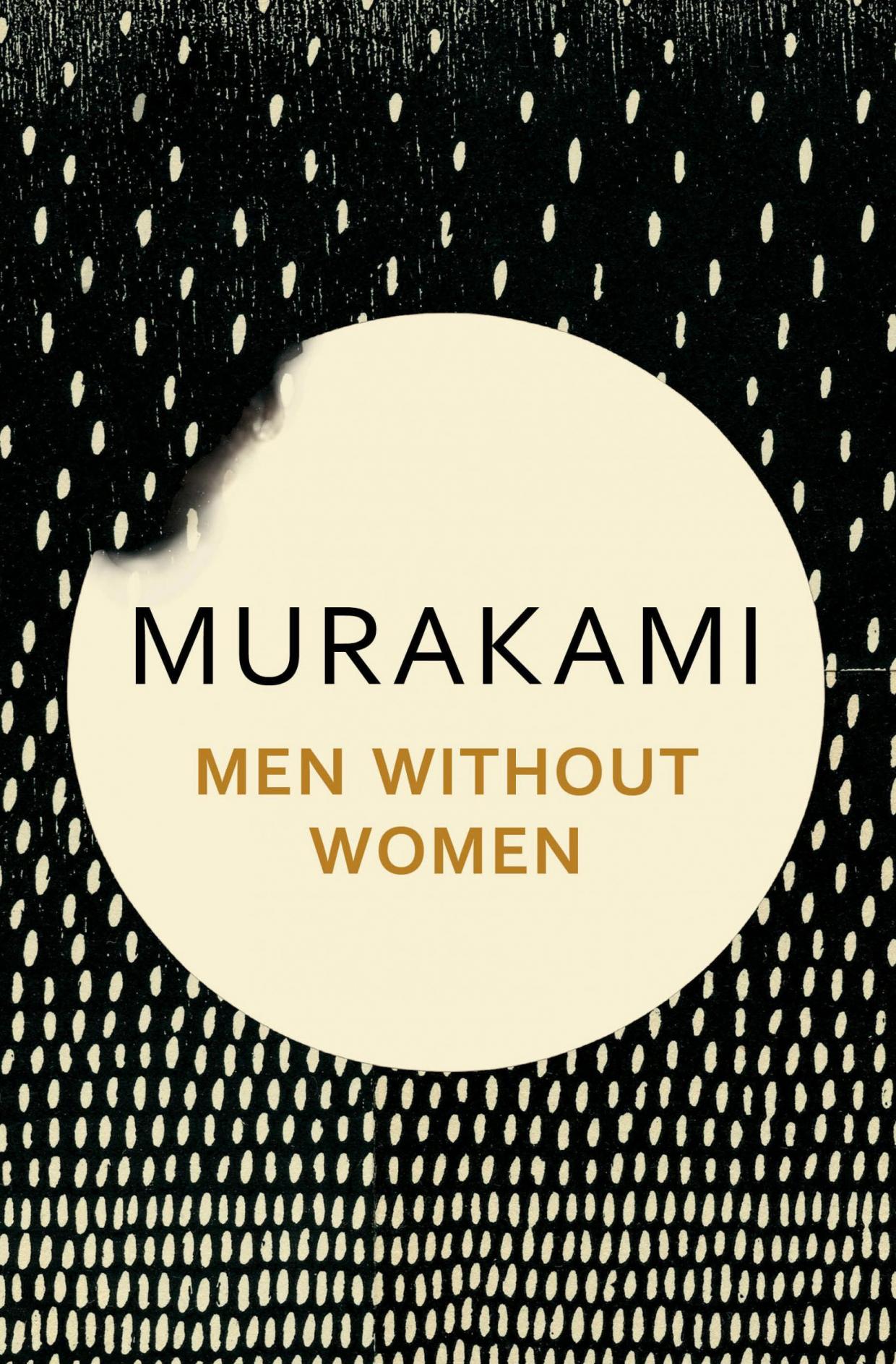
A new collection of short stories by Murakami explore the lives of men who find themselves alone
I have something of a love/hate relationship with short stories. Too many mediocre offerings leave me despairing of the genre, but then a collection like Men Without Women comes along and all is forgiven, my faith restored in the recognition of how utterly perfect the medium can be – in the right hands.
Haruki Murakami’s are talented indeed, each of the seven stories here (five of which have been previously published, four in The New Yorker and one in Freeman’s, while the remaining two – “An Independent Organ” and “Men Without Women” – are original compositions for this collection) a gem in and of its own right, but strung together they’re a sparkling strand of precious stones, the light refracted from each equally brilliant but the tones varying subtly.
The collection’s central concern is loneliness. “You are a pastel-colored Persian carpet, and loneliness is a Bordeaux wine stain that won’t come out,” explains the narrator of the final story, speaking of the myriad “Men Without Women”, among whom he counts himself. These figures take on a different guise in each of the tales – a widowed actor, musing on his dead wife’s affairs; a student who couldn’t bring himself to go all the way with his girlfriend, pimping her out instead to his friend; a lovesick plastic surgeon who starves himself to death after reading a book about the Holocaust; a single man under some form of house arrest, sleeping with his housekeeper; a divorced man who begins life again as a lonely barkeep; Kafka’s Gregor Samsa, transformed from insect into man, finding his feet in an unfamiliar world and thrown off them again by sexual desire; and a man whose girlfriends keep committing suicide.
They’re more than simply men without women though, they recognise an impossible gulf between the sexes – “I don’t think we can ever understand all that a woman is thinking,” Kafuku the actor declares – and how this connects to absences in their own identity: the doctor who wants to “reduce himself to nothing”; the bar-owner who feels disconnected from reality, fearful that he “doesn’t exist”; the student who professes to be someone he isn’t by means of an acquired accent; Kafuku who pretended all was well with his marriage.
Independent for more