
by ELIZABETH GEOGHEGA
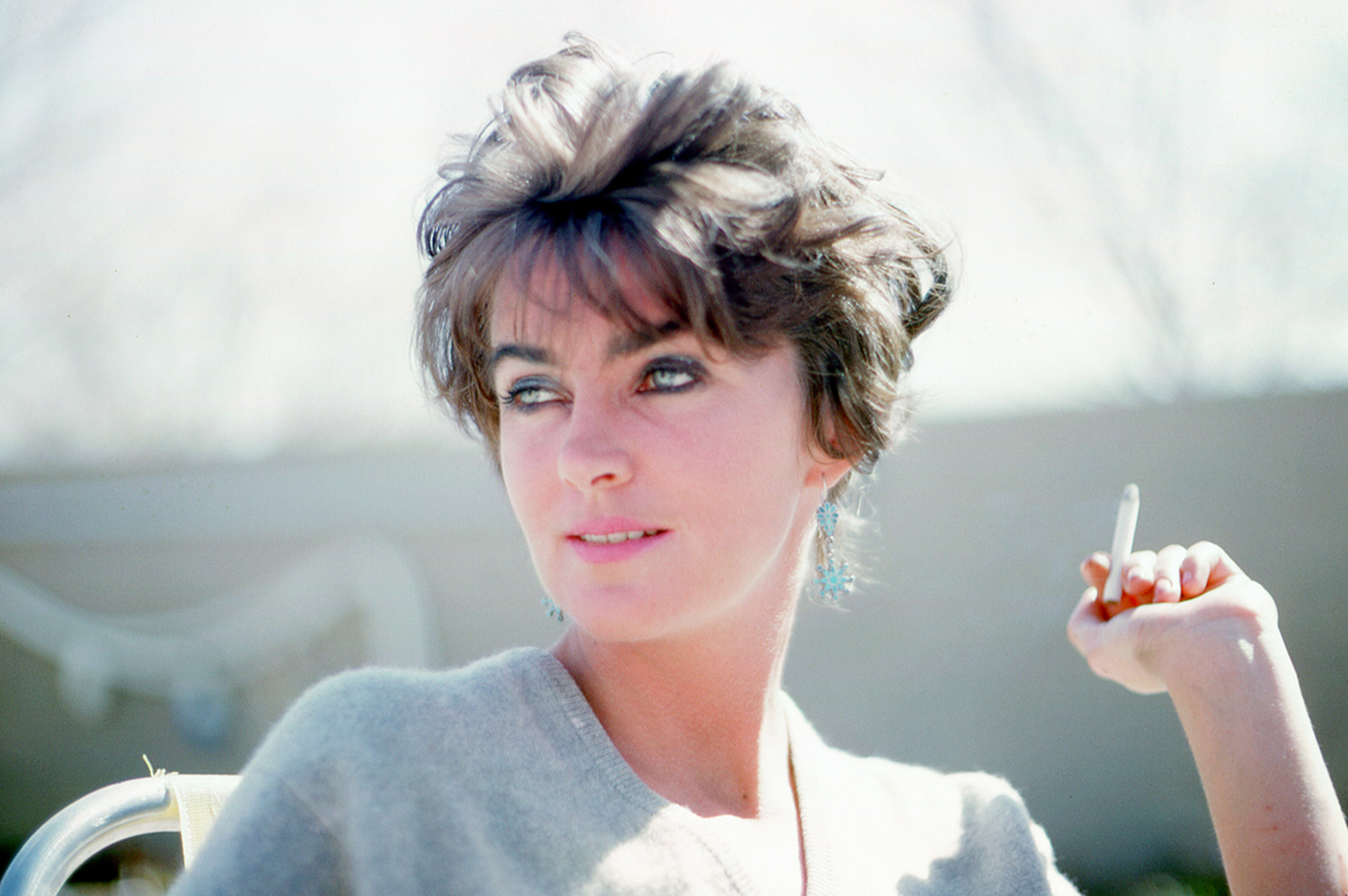 Lucia Berlin in Albuquerque, 1963 PHOTO/Buddy Berlin/Literary Estate of Lucia Berlin
Remembering Lucia Berlin
Lucia Berlin was not PC. And she was not New Age. She never talked to me about “recovery” or “karma.” We never spoke of the Twelve Steps. It was understood: she was sober now. No need to talk about it. Especially when she could write about it. Her stories, populated with alcoholics and addicts, are rendered with an empathy, disgust, and ruthless wit that echo the devastating circumstances of her own life. She’d moved from isolation to affluence to detox and back again, and Boulder, Colorado—inundated with massage therapists, extreme athletes, and vegans—was an unlikely place for her to end up. Yet she spent much of the last decade of her life there. First in a clapboard Victorian beneath the red rocks of Dakota Ridge; later, when illness nearly bankrupted her, in a trailer park on the outskirts of the pristine town.
News of the trailer depressed me until I managed a visit, finding her at ease amid the shabby metal homes stacked on cinder blocks. It’s likely Lucia would have felt more comfortable watching a bull be gored in a Mexico City arena or huddling among winos on a corner in Oakland than she ever felt at her first place on posh Mapleton Hill. But that was where we spent nearly all of our time together. Usually at her kitchen table.
Before I’d ever met Lucia, she left a message on my answering machine about a story I’d written. Her voice was breathless, sultry, and sweet. It made me fall in love with her a little bit—as in her writing, it’s her voice that pulls you in. When we did meet, I was shocked to discover she was decades older than I’d imagined. Like the protagonist in “B.F. and Me” who says, “Now I have a really nice voice. I’m a strong woman, mean even, but everyone thinks I’m really gentle because of my voice. I sound young even though I’m seventy years old. Guys at the Pottery Barn flirt with me.” Men definitely flirted with her, but Lucia was never mean, although her voice masked a devilish streak.
Just weeks after we met, the high altitude compromised her already frail respiratory system—one of Lucia’s lungs was crushed by the scoliosis that tormented her as a child—and she was put on oxygen. I never again saw her without an O2 tank, except after she sent me on my bicycle to Lolita’s Deli for cigarettes. Single smokes sold at twenty cents a pop. She always requested the strongest on offer. Lucky Strikes, Marlboro Reds. I’d buy us each a Camel Light and pedal back to her house. She would slip the breathing tube off and we’d light up, indulging in the only addictive substance either of us could allow ourselves. The fact that her oxygen tank loomed, threatening to blow, only made it more fun. The rush that comes with courting danger is always the last one to go. Like the protagonist in the hilarious story “502,” once in a while, Lucia had the “diabolical urge to, well, mess it all up.” But then there was the way, mid-cigarette, she’d grasp the O2, looping the long tube back over her head and under her nose. A glimmer of panic.
Even so, she’d manage a smile, breathlessly.
Paris Review for more