
by I. A. REHMAN
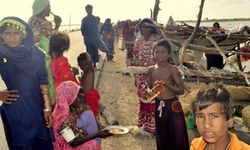
to a member of a scheduled caste from Sindh means talking to the utterly wretched of the earth, whose tale of woe will fill any conscious Pakistani’s heart with feelings of shame and outrage.
The group identity (scheduled castes) given to several untouchable communities in the colonial period has unfortunately survived in Pakistan though it carries none of the concessions that are referred to in the Oxford Dictionary. In India, they now call themselves Dalits and Pakistan too should recognise them by a non-derogatory title, because these marginalised communities do want to be treated as a special category and entitled to affirmative action for their uplift.
Those from the Kohli, Bheel or Meghwar families who have acquired an education and established themselves as teachers, lawyers or social activists recall the discrimination they suffered at school. Barred from sitting in the front rows and from drinking water from the common glass often made them feel the pangs of untouchability. What continues to hurt them is that such discrimination is not a matter of the past; the young ones are its victims to this day in institutions maintained with public resources.
But their minds are now seized of more consequential forms of deprivation and the list begins with the denial of possibilities to manage and order their affairs.
The scheduled castes claim that they constitute 80pc of Sindh’s Hindu population and allege that they have never been counted correctly in any census. They are becoming increasingly uneasy about not getting their share of jobs in state services. They also seem united in rejecting the system of filling the seats reserved for religious minorities in the federal and provincial assemblies with nominees of political parties.
Dawn for more