
by SLAVENKA DRAKULIC
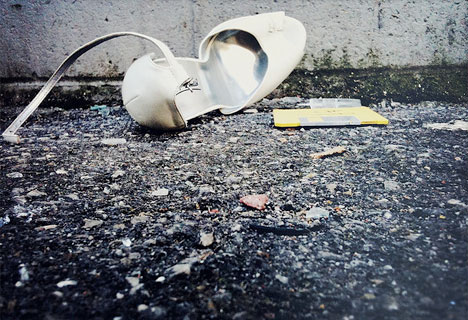 photo/Jason Parks/Flickr
The situation for women in societies caught up in the post-’89 transition is complicated, notes Slavenka Drakulic. On the one hand, they now stand to lose rights that were, at least formally, established during the communist regime. On the other, women’s position in society has been undermined everywhere in Europe – in East and West alike. The financial crisis has struck hard, and – as so often – women have been struck harder.
In 1992, I published a book called How We Survived Communism and Even Laughed. It was one of the first accounts of women’s life under communism in eastern Europe. Now, after more than two decades, it is high time to cast another look in the same direction. This time around, the question is slightly different: how have women survived the transition from one system to another, and are they really laughing?
Europe recently celebrated the twenty-fifth anniversary of the fall of the Berlin Wall and the collapse of totalitarianism in eastern Europe. Many memories were evoked and many problems addressed – from the dreams of Europe of those long-gone times to corruption, disappointment and distrust in politics and politicians. But one topic – curiously enough – was absent, or at least barely present: how has such a dramatic change affected women? Does the new system, democracy, really work for both sexes in the same way?
The answer is no, it doesn’t! There is much research to show that women in eastern Europe are hit harder than men by problems to do with social status, political representation and health. (See, for example, the OECD Gender Equality initiative.)
And yet, while there are studies on specific countries, there is no comprehensive picture of the impact of the transformation on women. This is probably because eastern European women – at last – no longer feel that they belong to a single block. And yet it is that very experience – their experience of communism – that still glues them together, because it has significantly influenced their lives after 1989.
Eurozine for more