
by JAWED NAQVI
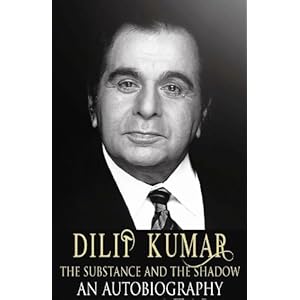 IMAGE/Amazon
I WAS looking for material to explain Sania Mirza’s trauma with Hindutva’s ultra-nationalists when I remembered that Dilip Kumar had undergone similar experiences, of being called a Pakistan sympathiser, even a Pakistani agent. It is another matter that Muslim zealots in both countries have targeted India’s most emulated movie icon for adopting a Hindu screen name instead of sticking to Yousuf Khan, which came with his Peshawari Muslim identity. So I picked up the thespian’s autobiography, which was released recently.
What I found in it was frustrating, however. There’s too much Saira Banu the wife and too little Madhubala the love of his life and very little of his Nehruvian politics in the book, The substance and the shadow. The miscued emphasis nudged me to the conclusion Majaaz Lucknavi arrived at 60 years ago over a Mirza Ghalib verse. ‘Ghalib-i-khasta ke baghair kaun se kaam band hain; Roiye zaar-zaar kya, kijiye haaye-haaye kyun’. (‘The world hasn’t stopped if Ghalib has grown decrepit; Don’t mourn for him, don’t lose your wit’.) “Ye to Ghalib ki biwi ka sher maloom hota hai,” observed an impish Majaaz, relishing the thought that it was the poet’s wife who may have authored the damning verse.
There were a few Dilip Kumar biographies before the legendary movie actor decided to speak for himself in his own words, if that is what he really did at 91 this year. If the previous biographies leaned on the actor’s articulate siblings for resource, this one surely has the wife’s imprint. By contrast, Lord Meghnad Desai’s book on the actor focuses on his Fabian socialist ideals and is aptly called Nehru’s hero: Dilip Kumar in the life of India. Movie buff and close family friend Bunny Reuben earlier wrote a ‘definitive biography’ of the man who was a darling of teeming millions for well over four decades.
Dawn for more