
by DR. AFTAB HUSAIN
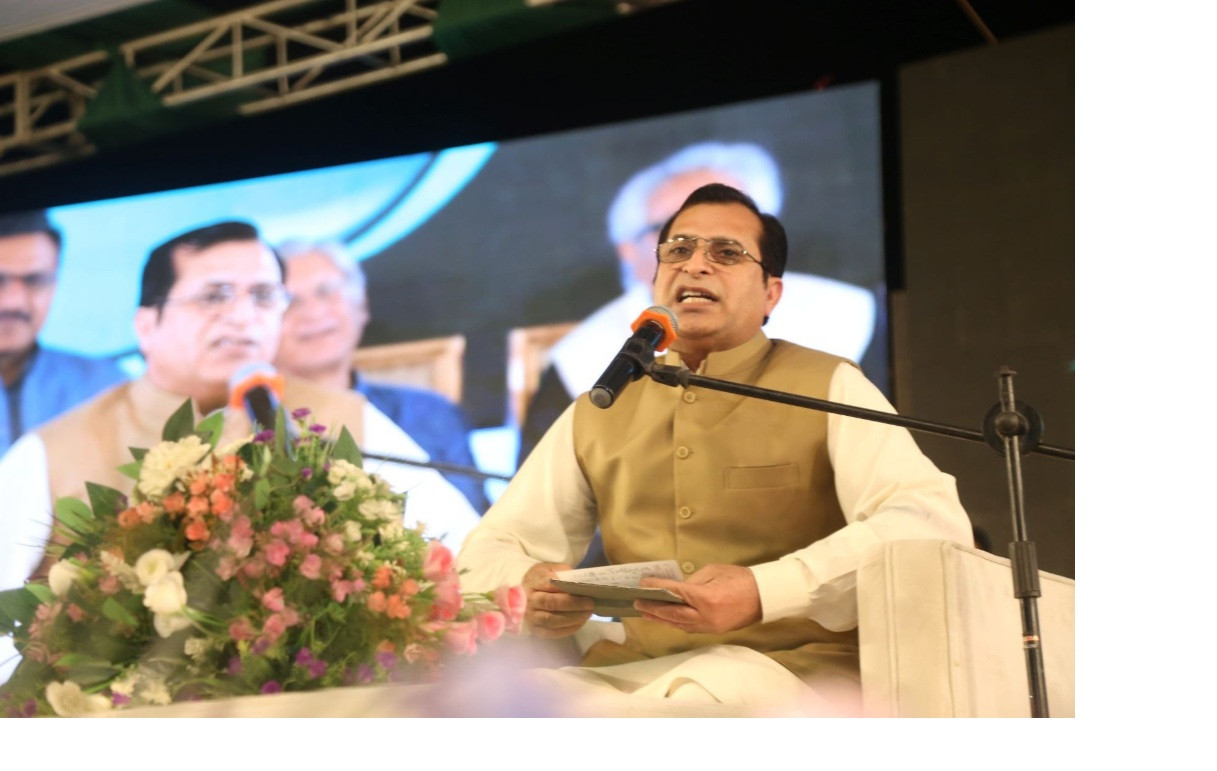
Urdu poetry has always lived through the human voice. Its power lies not just in what is said, but in how it sounds
For poets and listeners, the voice is not just sound; it marks the shift from silence to meaning. Writing can preserve words, but the voice brings them alive in the moment. When poetry moves from the page into the air, it turns into something more than language—it becomes performance, resonance, and revelation. The real force of poetry lies right at this crossing of sound and sense.
The Indo-Muslim tradition recognised this duality. Urdu, Persian, and Arabic poetry were first recited, then written. In Sufi gatherings, majalis, markets, and courts, poetry was shared orally. The mush??ira—Urdu’s poetic assembly—was more than a literary event: a theatre, ritual, dialogue, and sometimes a metaphysical experiment.
Here, the poet meets the audience through words—but also through voice. And voice is never neutral. It carries timbre, inflexion, memory, and an ethical charge. How a poem is voiced determines how it is received, what it means, and what it awakens.
The point is clear: Urdu poetry’s aesthetics are inseparable from vocal performance. Performance is not an optional embellishment; it is the means by which poetry becomes vital, open to interpretation, and emotionally deep.

Teht-ul-lafz and tarannum
From this performance culture come two central modalities: teht-ul-lafz (plain recitation) and tarannum (chanting). These are more than stylistic choices—teht-ul-lafz values meaning and clarity, while tarannum privileges melody and emotion.
Teht-ul-lafz emphasises loyalty to the text—semantic clarity, structure, diction. Here, the reciter fades back, letting the poem itself be the focus. The voice stays steady and unembellished, inviting contemplation, in contrast to tarannum’s emotional and musical style.
In contrast, tarannum wraps the poem in melody, prioritising emotional resonance and rhythmic flow. It creates a space between speech and song, intensifying emotion and musicality, separate from teht-ul-lafz’s reflective approach.
This division is more than technique. It vividly encapsulates an ongoing tension in the tradition: the pull between meaning and music, thought and sensation, clarity and feeling.
Critics of tarannum often feared that melody could obscure meaning. Poet Majid ul-Baqri once complained:
Is tarannum meñ to mafh?m nah?ñ hai ko’?
She?r kahte ho to pa?h ??lo, magar g?o nah?ñ!
[This chanting has no meaning whatsoever.
If you compose poetry, just read it—please don’t sing!]
This frustration is not with beauty itself, but with the danger of reducing poetry to sound. If the audience remembers the tune but not the verse, has poetry lost its essence?
And yet, the opposite danger lurks within teht-ul-lafz. When delivered too dryly, without modulation or feeling, a poem may lose its vitality. Faiz Ahmed Faiz, master of the written word, was often criticised for his monotonous recitation. Once told he wrote beautifully but read poorly, he replied with characteristic wit:
Sab k?m ham h? kareñ? Acch? likheñ bh? ham, acch? pa?heñ bh? ham. Kuch ?p bh? to kareñ!
(Should we do everything? Write well and also read well? Why don’t you contribute too?)
Express Tribune for more